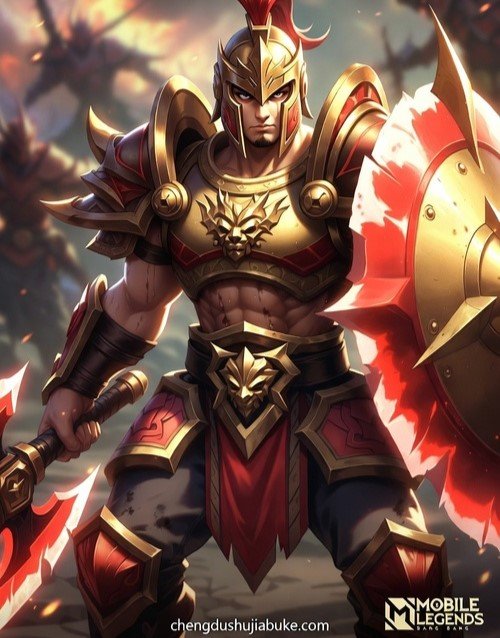
chengdushujiabuke.com – Playing against a dive-heavy composition in Mobile Legends can feel frustrating because the enemy may appear to reach your backline before your team has enough time to react. Assassins, mobile fighters, and aggressive initiators can quickly change the shape of a teamfight by ignoring the frontline and attacking the heroes responsible for dealing consistent damage. When this happens, many players respond by running in different directions, using defensive abilities too early, or chasing the enemy diver so far that they lose control of the battlefield. A better approach is to understand that dive compositions are usually built around forcing your team into uncomfortable positioning. The enemy wants your damage dealers to panic, separate from their teammates, or waste important abilities before the real engagement begins. If your team can remain disciplined, the same aggressive composition can become vulnerable. Dive heroes often need to commit deeply to reach their targets, which means their escape options can become limited once their initial abilities are used. The challenge is surviving the first wave of pressure without losing the ability to counterattack. This requires more than mechanical speed. Players must understand positioning, threat ranges, defensive cooldowns, vision, target priority, and the difference between peeling and chasing. A marksman who stands too far forward may make the support’s job impossible, while a tank who immediately dives toward the enemy backline may leave the team’s primary damage source completely exposed. Likewise, a mage who uses a key control ability before the enemy diver commits may have nothing available when the actual threat arrives. The strongest response to dive compositions is therefore coordinated patience. Your team needs to recognize which enemy hero is likely to initiate, where that hero can enter from, and what abilities are available to stop the engagement. Once the dive begins, the goal is not necessarily to kill the diver instantly. Sometimes simply forcing the diver away from the damage dealer is enough. After the enemy has spent mobility skills and defensive resources, your team can turn the fight around. Learning this approach makes difficult matchups far more manageable because you stop treating every enemy movement as an emergency and begin recognizing when the enemy has actually committed too far.
Reading the Enemy Dive Before It Happens
The first step in dealing with a dive composition is determining which enemy hero represents the greatest threat to your backline. The most dangerous hero is not always the one with the highest damage. Sometimes the real threat is the hero with the easiest access to your marksman or mage. A mobile fighter may have moderate damage but enough durability to survive while disrupting your formation. An assassin may be extremely fragile but capable of eliminating a key target if allowed to approach unnoticed. An initiator may not kill anyone directly but can create the opening that allows the rest of the enemy team to collapse. Players should therefore identify the enemy’s preferred engagement pattern rather than focusing only on statistics. Watch which hero disappears from the minimap before important fights. Pay attention to which enemy stays near bushes, flanks your formation, or avoids showing themselves in the lane. These behaviors often reveal the intended entry point. If the enemy assassin is visible on the opposite side of the map, your backline may have more freedom. If that assassin suddenly disappears before an objective fight, the team should immediately become more cautious. Information changes positioning. The damage dealer does not necessarily need to stop farming or abandon the area, but they should avoid standing in a position where the missing hero can reach them without resistance. Teammates should also understand who is responsible for protecting that target. If everyone assumes someone else will respond, the diver may reach the backline uncontested. A clear understanding of the primary threat allows the team to save appropriate defensive resources. It also prevents players from wasting abilities on less important targets while the actual danger remains hidden. Good preparation begins before the first skill is cast.
Watch for Flanking Routes and Hidden Entry Points
Dive compositions become much stronger when they can approach from unexpected directions. A backline hero that only watches the enemy directly in front of them can easily be surprised by a fighter entering from the side or an assassin emerging from a nearby bush. This makes terrain and vision extremely important. Players should not assume that an enemy is approaching from the most obvious path. Before an objective fight, the team should consider the routes that mobile heroes can use to bypass the frontline. Narrow jungle entrances, bushes near objectives, and paths behind walls can all become dangerous entry points. A support or tank should help control these areas when possible, but damage dealers also need to understand where danger can originate. Standing near a wall may look safe because it limits one direction of approach, but it can become dangerous if the enemy can use that terrain to close the distance quickly. Similarly, positioning too close to a bush without information gives an assassin an opportunity to begin the fight from point-blank range. Players should create distance from uncertain areas whenever possible. If vision is limited, assume the enemy may be preparing an engagement rather than assuming the area is empty. This does not mean becoming permanently afraid of every bush. It means respecting the uncertainty created by missing information. The more dangerous the enemy dive tools are, the more valuable safe positioning becomes. Teams can also use controlled movement to reduce the enemy’s available angles. If your backline stands in a location where teammates can easily respond, the enemy must commit farther to reach them. That increases the chance that the diver will be punished after entering.
Preserve Defensive Abilities for the Actual Engage
One of the most common mistakes against dive compositions is using an important defensive ability before the enemy has committed. A player may see an enemy approaching and immediately cast a stun, slow, shield, or mobility skill. The ability may accomplish something temporarily, but the enemy can then wait for it to disappear and attack when the defense is unavailable. Strong players understand the difference between using an ability for routine pressure and saving it for a critical moment. If an enemy assassin depends on a particular dash to reach the backline, the team may want to hold its most reliable control ability until that dash is used. This creates a direct interaction between the two teams’ cooldowns. The enemy wants your defensive tools gone before the real engagement. Your team wants to force the enemy to commit while your defensive tools remain ready. This does not mean every ability should always be held. Sometimes using a defensive skill early can prevent an enemy from entering at all. The important point is to understand what happens afterward. If the enemy has already shown their main engagement tool, the situation may be different. Players should also track their own defensive cooldowns. A tank may think they are protecting the marksman but forget that their main peel ability is unavailable. The marksman may believe they can play aggressively because the support is nearby, even though the support has no reliable way to stop the next dive. Communication through pings can help signal when important abilities are unavailable. When the team treats cooldowns as shared resources rather than individual tools, it becomes much harder for dive compositions to find a clean opening.
Winning the Fight After the Enemy Commits
When an enemy diver enters your backline, the instinct to chase them can be extremely strong. However, chasing is not always the correct response. The purpose of peeling is to create enough space for your damage dealer to continue fighting safely. If a tank follows the enemy diver deep into the opposing formation, the tank may stop protecting the backline at exactly the moment protection is most needed. Instead of pursuing the diver blindly, the frontline should consider where the rest of the team is positioned. If the diver is already isolated, controlling them near your backline may be enough. Your marksman can continue attacking while the enemy loses access to their original target. Once the diver’s major abilities are exhausted, the team can decide whether the hero is actually worth pursuing. This is particularly effective against assassins that rely on burst windows. Their initial attack may be dangerous, but their threat can fall dramatically once mobility and damage abilities are on cooldown. A player who survives the first burst can often contribute more to the fight than the diver expects. Peeling is therefore not passive gameplay. It is an active method of controlling the fight’s direction. A support can place control effects between the diver and the damage dealer. A fighter can body-block or threaten the diver without abandoning the backline. A marksman can reposition while continuing to deal damage. The team is essentially turning the enemy’s commitment against them. The deeper the diver enters, the more difficult their escape becomes. The goal is to keep the damage dealer alive long enough for the enemy’s initial advantage to disappear.
Reposition After the First Burst
Surviving the opening dive does not mean the danger is completely gone. The backline should immediately reassess its position after the enemy uses major abilities. A marksman who survives an assassin’s initial attack but remains in the same location may still be vulnerable to a second engagement. Repositioning changes the geometry of the fight. It can force the enemy to spend additional movement abilities if they want to continue attacking. The best position is often one where the damage dealer can attack while remaining within reach of friendly protection. Players should avoid running so far away that they lose access to teammates. Likewise, they should not move toward the enemy simply because they have survived the first attack. Good repositioning is controlled. It creates enough distance to avoid another immediate dive while keeping the player close enough to contribute damage. The same principle applies to mages and other fragile heroes. After using an important defensive skill, they should consider whether their current position remains safe. If the enemy has another source of engage available, the fight may still be dangerous. If the major threats are now separated or on cooldown, the backline can begin stepping forward again. This creates a rhythm in the teamfight: survive the entry, create distance, observe enemy cooldowns, then punish the weakened formation. Players who understand this rhythm are much less likely to panic. They do not need to decide the entire fight at once. They only need to make the next safe movement while keeping future options available.
Turn the Failed Dive Into a Counterattack
A failed enemy dive can create one of the strongest opportunities in a teamfight. When a mobile enemy hero enters too deeply and fails to eliminate the intended target, that hero may become separated from the rest of their team. Their escape abilities may also be unavailable. This creates a temporary window in which your team can turn from defense to offense. The transition should happen carefully. The team should first confirm that the remaining enemy formation cannot immediately punish the counterattack. If the enemy’s main damage dealers are still positioned safely, chasing the failed diver too far can become dangerous. However, if the diver is isolated and the enemy backline cannot support them, focusing that target may be highly valuable. The important point is that the counterattack should be based on the enemy’s resources rather than emotion. Players should not chase simply because the enemy made a mistake. They should ask whether the mistake has created a safe opportunity. If the answer is yes, the team can increase pressure. If not, it may be better to stabilize the formation and prepare for the next exchange. Dive compositions often rely on momentum. If their first attempt fails, their ability to force another engagement may be reduced while key cooldowns remain unavailable. Your team can use that window to gain positioning around an objective, push a lane, or force the enemy away from an important area. A failed dive is therefore more than a missed kill. It can represent the loss of the enemy’s primary win condition for that moment. Recognizing this transition is what separates survival from actual teamfight control.
Keep the Damage Dealer Within a Safe Formation
Protecting a marksman or mage is not solely the responsibility of the tank or support. The damage dealer must also understand how to position relative to teammates. Standing too far forward makes peeling difficult, while standing too far away can prevent the player from receiving protection. The ideal position changes throughout the fight. Before the engagement, the damage dealer should generally avoid exposing themselves unnecessarily. Once the enemy’s primary dive tools are used, they can gradually move forward and increase their damage output. This creates a natural relationship between safety and aggression. Players should not think of positioning as choosing one permanent location. Good positioning is constantly adjusted according to enemy movement. If the enemy assassin disappears, move slightly farther from dangerous angles. If the assassin reveals themselves on the other side of the fight, the damage dealer can become more aggressive. If the enemy initiator uses their main control ability unsuccessfully, another opportunity may appear. These small adjustments can dramatically reduce the number of clean openings available to the opponent. Teammates should also avoid standing too far apart during important fights. A formation that is spread across a large area may allow the enemy to isolate targets one by one. A tighter formation gives defensive abilities more value and makes it easier to respond when a diver enters. However, the team should not stack so tightly that one area-control ability can disable everyone. The goal is controlled spacing: close enough to help one another, but spread enough to avoid being punished by a single attack.
Use Baiting to Make the Enemy Commit Early
Experienced teams can sometimes use the enemy’s aggression against them by presenting a controlled opportunity. A damage dealer may briefly appear vulnerable while remaining close to defensive teammates. If the enemy commits prematurely, the defensive players can respond and turn the engagement around. This requires confidence and discipline because baiting without protection can simply result in a death. The purpose is not to intentionally sacrifice a teammate. Instead, the team is trying to make the enemy believe that an opening exists when the opening is actually protected. Baiting can be particularly effective when the enemy relies heavily on one initiation ability. If that ability is used on a target who is prepared to survive, the enemy may lose their strongest tool without gaining anything meaningful. The rest of your team can then respond while the enemy’s formation is temporarily disorganized. Baiting also works through movement. A player can step forward and then retreat toward teammates, encouraging the enemy to chase into an unfavorable area. Terrain can make this even more effective because narrow spaces reduce the enemy’s ability to disengage. However, players must know their limits. If the enemy has multiple forms of crowd control or overwhelming burst damage, a fake opening may be too dangerous. Good baiting is based on understanding the enemy’s available resources. When used correctly, it changes the psychological balance of the fight. Instead of your team constantly reacting to enemy dives, the enemy begins reacting to the positions you deliberately present.
Stay Calm When the First Hero Gets Caught
Not every mistake can be prevented. Sometimes a teammate will be caught by an enemy diver before the rest of the team can respond. The worst reaction is for everyone to rush forward without considering whether the rescue is possible. This often produces a chain of deaths in which one caught player becomes three or four. Players should quickly evaluate the situation. If the caught teammate can still survive because defensive abilities are available, a coordinated rescue may be worthwhile. If the teammate is already beyond saving, the remaining players should preserve themselves and prepare to punish the enemy’s overextension. This decision can feel harsh during a match, but it is an important part of macro gameplay. Saving one player at the cost of several others can turn a small mistake into a lost teamfight. Sometimes the best response is to give up the isolated teammate and take something elsewhere. If the enemy spends several abilities securing one kill, your team may be able to push a lane, take an objective, or reposition before the enemy can recover. The key is to avoid emotional decision-making. A teammate being caught does not automatically mean everyone must follow. Players should ask whether the enemy has actually created a favorable fight or whether they have simply created an isolated target. Remaining calm allows the team to recognize opportunities that would otherwise be missed. Over time, this habit becomes one of the strongest defenses against dive compositions because it prevents the enemy from turning one successful initiation into a complete collapse.
Conclusion Mobile Legends Strategy Guide: How to Survive Dive Compositions and Protect Your Team’s Damage Dealers
Playing against dive compositions in Mobile Legends is primarily a test of positioning, patience, and coordinated defensive decision-making. The enemy wants to create panic by entering your backline quickly, forcing your damage dealers away from their teammates, and making defensive players waste important abilities. Your goal is to deny that sequence. Identify the enemy’s main dive threat, understand its preferred entry routes, preserve important defensive cooldowns, and keep fragile heroes within a formation that can respond. When the dive begins, do not automatically chase. Peel the attacker away from your damage dealer, survive the first burst, and reposition according to the enemy’s remaining resources. Once the diver has spent mobility and offensive abilities, the situation may change completely. What looked like a dangerous initiation can become an isolated enemy who has moved too far into your formation. That is when the team can transition from defense to offense. Strong teams also understand that protecting a damage dealer is a shared responsibility. The marksman or mage must position intelligently, while tanks, fighters, and supports maintain enough proximity to provide protection without abandoning their own roles. Baiting can make aggressive enemies commit early, while calm decision-making prevents one teammate’s mistake from becoming a team-wide disaster. Most importantly, players should stop thinking of dive compositions as unstoppable threats. Their strength comes from access, timing, and commitment. If the enemy cannot reach the target cleanly, or if the first engagement fails, their advantages can disappear quickly. By controlling space, respecting entry angles, saving defensive tools, and punishing overextension, your team can turn an enemy composition designed to overwhelm the backline into a composition that repeatedly exposes itself. The objective is not merely to survive the dive. The real goal is to make every failed dive cost the enemy something until they can no longer create the aggressive fights they need.