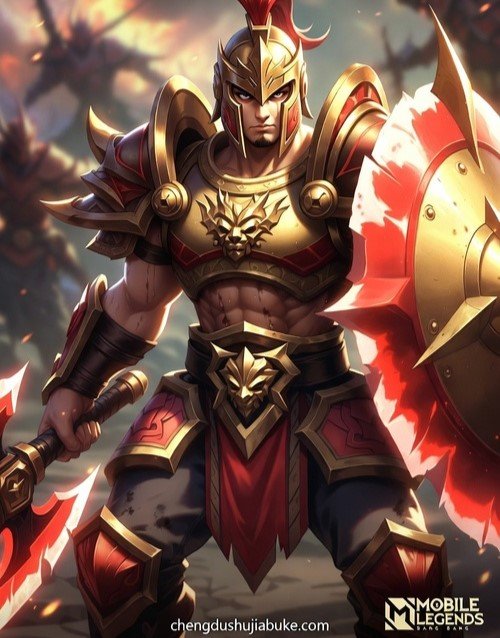
Mastering Defensive Wave Clear and Protecting Your Team’s Structures
chengdushujiabuke.com – In Mobile Legends: Bang Bang, defending a base is not simply about standing beneath a turret and attacking every enemy who approaches. The condition of the minion waves often determines whether a defensive position can be maintained safely or whether the enemy can continue applying pressure until the structure falls. Minions provide the support that allows opponents to advance, absorb turret attacks, and create opportunities for heroes to deal damage without immediately becoming the main target. If defenders ignore an approaching wave, even a relatively small group of enemies can create a dangerous situation. Learning to recognize which waves require immediate attention helps players preserve their structures, manage their resources, and avoid being forced into unfavorable teamfights.
The danger of a wave depends on several factors, including its location, the number of surviving minions, the heroes accompanying it, and the defensive resources available to the team. A wave approaching an outer turret may offer enough time for defenders to clear it before the enemy arrives. However, a large wave reaching an exposed inhibitor turret can become much more difficult to handle, especially when the enemy team is grouped nearby. Defenders may need to choose between clearing minions quickly and preventing opponents from entering the base. That decision becomes even more complicated when teammates are respawning at different times or when the enemy has enough damage to threaten the structure immediately.
Players should therefore evaluate waves according to the consequences of allowing them to advance. If a wave is moving toward a safe area and the enemy team is far away, there may be no need to abandon another task to clear it immediately. If the same wave is approaching a vulnerable structure while several opponents are missing, delaying the response can create unnecessary danger. The minimap provides essential information because it helps players estimate how much time remains before an enemy can exploit the wave. Watching the location of opposing heroes is just as important as watching the minions themselves.
Wave clear also affects how much freedom defenders have during a siege. When the enemy must repeatedly wait for minions, its advance becomes slower and more predictable. Defenders can use those intervals to recover, reposition, and determine whether a counterattack is realistic. Conversely, allowing multiple waves to accumulate may force the team to defend under constant pressure, leaving fewer opportunities to move outside the base. Good defensive play begins with recognizing that minions are not insignificant background units. They are part of the enemy’s method of applying pressure, and controlling them can make the difference between a stable defense and a rapidly collapsing position.
Choosing the Right Hero to Clear Waves Safely
Different heroes offer different levels of effectiveness when defending against minion waves. Mages with strong area abilities may clear groups quickly, while marksmen can eliminate minions from a distance when the surrounding area is safe. Some fighters can handle waves efficiently but may need to approach closer to the enemy’s attack range. Tanks may not always provide the fastest clear, yet they can help protect the teammate responsible for eliminating minions. Understanding these differences allows a team to distribute defensive responsibilities more effectively rather than expecting every hero to perform the same task.
When several teammates are available, the player with the safest and most efficient wave-clear option should often handle the immediate minion threat. Other heroes can maintain positions that discourage enemies from diving or entering the base. For example, a mage may clear a wave from behind the frontline while the tank watches for opponents attempting to reach the backline. A fighter may protect another route where a second wave is approaching, preventing the team from becoming vulnerable to pressure from multiple directions. This division of responsibilities reduces confusion and helps preserve important abilities for a possible engagement.
However, players must avoid sending a fragile damage dealer to clear a wave when the enemy can easily ambush them. A hero with strong wave-clear abilities is not automatically the best choice if reaching the minions requires crossing an exposed route. In such cases, another teammate may need to check the area, provide protection, or help clear the wave from a safer position. The goal is to remove the minion threat without creating a new opportunity for the enemy to secure an elimination.
Ability management is particularly important during prolonged defenses. Spending every major skill on a wave may leave the team unable to stop an enemy dive a few seconds later. On the other hand, saving every ability while allowing minions to damage a structure can be equally damaging. Players should determine which skills are necessary for efficient clearing and which must remain available to interrupt an approaching enemy. The best decision depends on the immediate danger. If the wave threatens to destroy a critical turret, fast clearing may be the highest priority. If the minions are still far from the structure and enemies are preparing to engage, preserving defensive abilities may provide greater value.
Effective wave defense is therefore a team coordination problem rather than a simple damage calculation. The right hero must reach the wave safely, remove it before the enemy gains too much pressure, and remain capable of responding to the next threat. When players understand their individual strengths and communicate their intentions, they can defend more efficiently without wasting resources or exposing vulnerable teammates.
Managing Defensive Positions Without Giving the Enemy a Free Engagement
Defending a structure often requires players to remain in a relatively small area, which can make their movements predictable. Enemies may use this predictability to prepare area damage, approach from several directions, or wait for a defender to step away from the protection of the turret. To avoid these problems, defenders should maintain a formation that allows them to clear waves while retaining enough space to respond to an attack. Standing too close together can make the team vulnerable to abilities that affect multiple targets, while spreading too far apart may prevent teammates from protecting one another.
Positioning should reflect the enemy composition. If the opposing team has heroes capable of diving directly onto fragile targets, those heroes should be watched carefully whenever the damage dealer moves forward to clear minions. If the enemy relies on ranged poke, defenders may need to avoid standing in predictable lines or remaining in range of repeated attacks. When opponents have strong crowd control, teammates should be careful about entering narrow passages without assistance. These adjustments help the team maintain defensive pressure without allowing the enemy to create an easy opening.
Players should also pay attention to which routes remain available for retreat. A defender who steps forward to clear a wave should know how to return to safety if several opponents suddenly appear. Moving into an exposed area without an escape plan can turn a routine defensive task into an unnecessary death. If the enemy team is missing from the minimap, prioritize positions that allow quick retreat rather than chasing minions toward dangerous terrain. It is usually better to surrender a small amount of farm than to lose a defender who is needed to protect the base.
Another important principle is avoiding premature counterattacks. When an enemy approaches the turret, defenders may feel pressure to fight immediately rather than allow the opponent to continue advancing. However, attacking before the team is ready can separate teammates and expose the backline. Sometimes the strongest response is to clear the wave, maintain a safe formation, and wait for the enemy to overextend. A counterattack becomes more attractive when the opponent has used important abilities, lost a substantial amount of health, or moved away from the support of its teammates.
Defensive positioning should remain flexible throughout the siege. If one route becomes too dangerous, move toward a safer angle while maintaining the ability to clear minions. If a teammate needs assistance, adjust the formation without abandoning another critical responsibility. By prioritizing safe movement, useful spacing, and clear retreat routes, defenders can make the enemy work harder for every structure. This approach reduces unnecessary deaths and preserves the resources needed to survive the next engagement.
Turning Successful Defense Into Recovery and Counterpressure
Fast wave clear and controlled wave management serve different purposes during a defensive phase. Clearing quickly removes immediate pressure and can prevent the enemy from using minions to damage a structure. Holding a wave in a safer position, when the situation permits, may allow defenders to collect resources without advancing into dangerous territory. Choosing between these approaches requires understanding the location of enemy heroes, the condition of nearby structures, and the amount of time available before the next threat arrives.
When the enemy team is grouped around a vulnerable turret, clearing quickly is often the safer option. Removing the minions forces opponents to reconsider their attack because the structure can no longer be pressured as comfortably. It may also give defenders a short period to reposition before the next wave arrives. However, fast clearing should not automatically involve using every available ability. Players should consider whether basic attacks or a smaller skill combination can remove the wave while preserving a powerful defensive tool for the enemy’s next move.
Holding the wave can be useful when the immediate threat has passed and defenders need a safer way to collect gold and experience. If the enemy team has moved away from the lane, a player may be able to manage minions without exposing the structure to a direct siege. This can help prevent opponents from gaining a large resource advantage while the defenders recover. Nevertheless, holding a wave too long can become dangerous if another enemy rotation is approaching. Players should monitor the minimap and abandon the plan whenever remaining in the area becomes unsafe.
The number of minions and their position also influence the decision. A large wave near a critical structure should rarely be ignored merely because teammates are trying to maintain a preferred wave position. Conversely, a small wave far from the base may not require an immediate response if the team has a more important task elsewhere. Defensive decisions should be based on the actual threat rather than a fixed rule about always clearing quickly or always controlling the wave.
Good defenders learn to change methods as conditions evolve. They may clear rapidly during an enemy siege, collect resources safely after the opponents retreat, and prepare a controlled push once the team regains map control. This flexibility allows them to protect structures without permanently sacrificing the opportunity to recover. The goal is not simply to keep minions away from the base, but to manage their movement in a way that supports the team’s survival and eventual return to the offensive.
Using Enemy Overcommitment to Create Comeback Opportunities
An enemy team that spends too much time attacking a defended structure can create opportunities for a counterattack. Opponents may use important abilities to pressure the turret, lose health while trying to break the defensive formation, or become separated as they pursue different targets. If defenders recognize these conditions, they may be able to punish the enemy’s overcommitment rather than remaining passive throughout the entire siege. However, a counterattack should only begin when the team has a realistic advantage. Defending successfully does not automatically mean that the enemy is weak enough to defeat in an extended fight.
The first step is to evaluate the enemy’s current condition. Check which opponents have used important abilities, whether their frontline has moved too far forward, and whether the backline remains protected. If several enemies are low on health and the defenders still have enough resources, a coordinated attack may force the opponents to retreat. If the enemy formation remains strong and the defenders lack essential abilities, maintaining the defense is usually safer. A team should not confuse an enemy’s temporary presence near its turret with proof that the opponent has made a mistake.
Timing matters because a successful counterattack often depends on several teammates acting together. If one defender engages while the others continue clearing minions or recovering health, the team may lose its advantage through poor coordination. Use pings to communicate the intended action and ensure that nearby allies can contribute. The player initiating the counterattack should consider whether teammates are close enough to follow and whether the target can be reached without exposing the damage dealers. A coordinated response can turn an enemy siege into a favorable engagement, while an isolated attempt may simply give the opponent another elimination.
The reward should also be considered before the counterattack begins. If forcing the enemy away creates time to clear waves, recover, and protect the next structure, that may be sufficient. Chasing opponents deep into the map can waste the defensive advantage and expose the team to another ambush. When the enemy retreats, defenders should assess whether they can safely claim a nearby objective, clear an important wave, or return to a stable position. A successful defense creates options, but those options must be chosen carefully.
Comebacks often begin with small moments in which a team stops losing resources and forces opponents to respect its defensive strength. Preventing an enemy from completing a siege, preserving an important turret, or punishing an overextended attacker can create time for disadvantaged heroes to acquire equipment. The team does not need to win every fight immediately. It needs to reduce the opponent’s momentum and use each safe opportunity to improve its position. Consistent defensive decisions can gradually make the match more manageable, even when the team begins from a difficult situation.
Coordinating Defense When Teammates Respawn at Different Times
Uneven respawn timings create one of the most challenging defensive situations in Mobile Legends. Some teammates may return to the battlefield while others remain unavailable, leaving the team temporarily short of damage, crowd control, or frontline protection. If the enemy recognizes this difference, it may attempt to force a fight or continue pressuring a structure before the full team can regroup. Defenders must therefore understand when they have enough resources to hold a position and when they should delay the enemy until additional teammates return.
The first priority is to avoid unnecessary engagements while the team is incomplete. A player who respawns early may feel compelled to defend immediately, but charging into several enemies without support can create another death and extend the disadvantage. Instead, evaluate the condition of the base, the approaching wave, and the location of the enemy team. If the structure is not in immediate danger, wait in a safe position and coordinate with teammates who are about to respawn. If a wave must be cleared immediately, use the safest available ability and avoid advancing beyond the point where retreat remains possible.
Players should also recognize which defensive responsibilities can be handled by a smaller group. A hero with strong area damage may be able to clear a wave without assistance, while a durable tank can delay an enemy’s approach long enough for teammates to arrive. However, these tasks should not be confused with winning a full teamfight. Clearing minions and buying time may be the correct objective when the team lacks enough players to challenge the enemy directly. The purpose is to preserve the structure until the team can operate at full strength.
Communication becomes especially important during this period. Teammates should signal when they are returning and avoid initiating a fight that the rest of the team cannot support. If the enemy begins attacking a structure before the team is ready, defenders may need to sacrifice a less important turret to protect the base and wait for reinforcements. Such a decision can feel uncomfortable, but it may be strategically sound if contesting the structure would result in multiple deaths and leave the base exposed.
Once the team is reunited, reassess the situation before committing to a counterattack. The enemy may still have a numerical advantage in health or resources even if all five allied heroes are alive. Check the condition of the waves, the availability of important abilities, and the positions of the opposing team. If the enemy has retreated, use the time to clear minions and restore control over the battlefield. If an opportunity to fight appears, coordinate the engagement rather than allowing individual players to enter separately. Effective defense depends on understanding not only where the enemy is, but also when your own team is ready to respond.
Establishing a Repeatable Defensive System for Ranked Matches
Reliable base defense comes from repeating a few sound decision-making habits rather than relying on last-second reactions. Players should monitor incoming waves, identify which structures are most vulnerable, and understand which teammates can clear minions safely. They should also maintain awareness of enemy positions and recognize when the opposing team is preparing a siege. These habits make defensive decisions more predictable for allies and reduce the chance that several players will respond to the same threat in conflicting ways.
A useful system begins with prioritization. Determine whether the immediate problem is an approaching minion wave, an enemy hero threatening the structure, or a missing teammate who leaves the team vulnerable. Address the most urgent threat without abandoning other responsibilities unnecessarily. If a wave is about to reach the base, assign a suitable hero to clear it while the remaining teammates protect dangerous routes. If the enemy is approaching without minions, focus on maintaining a safe formation and avoid giving the opponents a free engagement. The correct response changes with the situation, but having a clear priority prevents confusion.
Players should also review their defensive mistakes after each match. Consider whether a turret fell because minions were ignored, because the team engaged too early, or because a vulnerable hero was sent to clear a wave alone. Identify whether teammates had enough time to respawn and whether a different retreat decision could have prevented additional losses. Reviewing these details helps players recognize patterns that may otherwise repeat across many games. Improvement often comes from preventing the same avoidable problem rather than attempting increasingly complicated defensive plays.
Another important habit is understanding when to stop defending a structure that cannot realistically be saved. If the enemy has a strong numbers advantage and the turret is already nearly destroyed, committing every remaining resource may produce little value. In some situations, the team can preserve its players, clear the next wave, and prepare a stronger defense at the following structure. This decision requires judgment because abandoning a structure too early can surrender unnecessary ground, while defending too long can lead to several avoidable deaths. Evaluate the current health of the structure, the enemy’s position, and the resources available before deciding.
Ultimately, a repeatable defensive system should create stability without making the team passive. Clearing waves safely, protecting key heroes, coordinating respawns, and punishing genuine overcommitment allow defenders to survive pressure while searching for recovery opportunities. Strong defense is not merely an attempt to delay defeat. It is a method of preserving resources, limiting enemy gains, and preparing the conditions for a future comeback. Teams that understand this principle can remain competitive even when the battlefield becomes increasingly difficult.
Conclusion How to Play Mobile Legends: Winning More Matches Through Smarter Wave Clear and Base Defense Decisions
Wave clear and base defense are essential parts of Mobile Legends because minions determine how comfortably an enemy team can maintain pressure on turrets and the base. Recognizing dangerous waves, selecting the right hero to clear them, and maintaining safe defensive positions help prevent small problems from developing into major losses. Effective defenders also understand that every ability and every movement carries a cost, making resource management and coordination important throughout a siege.
When the enemy overcommits, a disciplined team can create comeback opportunities by forcing a retreat, preserving structures, and using the resulting time to recover resources. However, counterattacks should be based on genuine advantages rather than frustration or impatience. Uneven respawn timings, exposed routes, and incomplete defensive formations require careful decisions about whether to fight, delay, or retreat.
The most successful defensive players combine patience with adaptability. They know when to clear waves quickly, when to maintain a safer position, and when a structure must be sacrificed to preserve the team. By applying these principles consistently, players can reduce unnecessary deaths, protect their base more effectively, and create better opportunities to regain control of the match. A strong defense does more than keep the game alive; it gives the team time and space to turn a difficult situation into a winnable one.