chengdushujiabuke.com – Every match in Mobile Legends is built around five players working together with different responsibilities. Heroes are designed around specific roles, and understanding these roles is the foundation of winning consistently. A balanced team is not just a random selection of strong heroes but a carefully structured composition where each role complements the others.
Tanks and Frontline Control
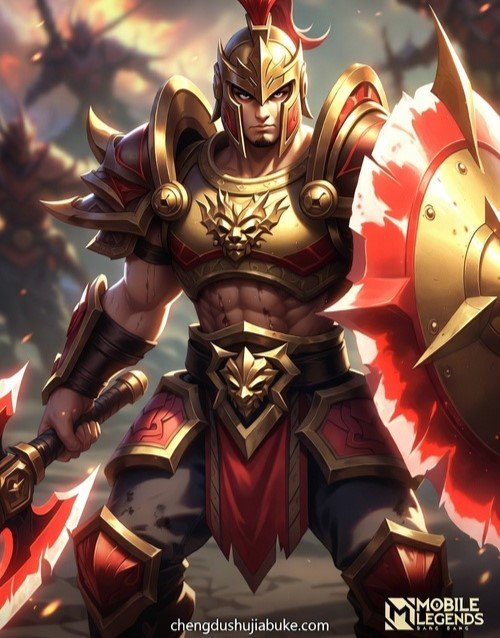
Tanks are the backbone of any team composition. Their primary responsibility is to absorb damage, initiate fights, and create space for damage dealers to operate safely. A good tank does not necessarily secure kills but instead dictates the rhythm of engagement. Heroes in this category often rely on crowd control abilities, high durability, and positioning rather than raw damage output.
In practical gameplay, a tank must always think ahead of the team. Moving through bushes to check vision, initiating fights when enemies are out of position, and protecting allies during disengagement are all critical tasks. The difference between a good tank player and a great one often lies in timing. Engaging too early can result in a lost fight, while engaging too late can allow enemies to escape or secure objectives uncontested.
Tank heroes also shape map control. By standing in dangerous zones, they allow damage dealers to safely farm and rotate. This indirect influence is often overlooked, but it is one of the most important aspects of winning in higher ranks.
Assassins and Burst Damage Execution
Assassins are designed to eliminate priority targets quickly. These heroes thrive on mobility, timing, and precision. Unlike tanks, assassins avoid direct confrontation until the right moment appears. Their job is not to start fights but to end them by removing key enemies such as marksmen or mages.
Successful assassin play requires patience. Rushing into a fight too early often leads to instant elimination, while waiting too long can mean missing the opportunity entirely. The best assassin players constantly observe enemy positioning, cooldown usage, and map awareness before committing.
In team fights, assassins function like hidden threats. They often circle around the edges of combat, waiting for an opening. Once a squishy target is exposed, they strike quickly and retreat before retaliation becomes possible. This hit-and-run style makes assassins one of the most mentally demanding roles in the game.
Mages, Marksmen, and Late Game Scaling
Mages and marksmen serve as the primary damage dealers in most compositions. While they differ in mechanics, their roles often overlap in terms of output and positioning requirements. Mages usually provide burst damage and crowd control, while marksmen deliver sustained damage over time, especially in the late game.
Positioning is everything for these heroes. Even the strongest marksman can be eliminated instantly if caught out of position. As a result, they rely heavily on tanks and supports for protection. Their gameplay revolves around maintaining distance while maximizing damage output.
Late game scaling is what makes these heroes particularly important. As the match progresses, their damage potential increases significantly, often becoming the deciding factor in team fights. A well-farmed marksman can turn even a losing game into a comeback if given enough space to operate effectively.
Mastering Playstyles and Mechanics for Each Hero Category
Understanding hero roles is only the beginning. To truly excel in Mobile Legends, players must also refine their mechanics and adapt their playstyles based on the situation. Every hero category requires a different mindset, and mastering these differences is key to long-term improvement.
Positioning is arguably the most important skill in the game. Regardless of hero type, standing in the wrong place at the wrong time can lead to instant defeat. Good positioning allows players to maximize their effectiveness while minimizing risk.
For damage dealers, positioning means staying at the edge of fights where they can deal damage without being targeted. For tanks, it means standing at the front line to absorb pressure and create space. For assassins, positioning is more fluid, requiring constant movement around the battlefield to find opportunities.
Map awareness is closely tied to positioning. Players must constantly monitor the minimap to track enemy movements and anticipate potential threats. Missing information often leads to ambushes, lost objectives, or failed rotations. High-level players develop a habit of checking the map every few seconds, allowing them to make informed decisions quickly.
Skill Combos and Timing Windows
Every hero in Mobile Legends has a set of abilities that define their combat effectiveness. However, using these abilities randomly often leads to wasted potential. Instead, players must learn skill combinations and timing windows to maximize efficiency.
For example, many assassins rely on chaining abilities in a specific order to guarantee burst damage. Tanks often combine crowd control skills to lock enemies in place for their team. Mages use skill rotations to continuously pressure enemies while maintaining safety.
Timing is equally important. Using a powerful ultimate ability at the wrong moment can completely change the outcome of a fight. The best players wait for optimal conditions—such as enemy cooldowns being used or key targets being isolated—before committing their most important abilities.
Itemization and Adaptive Builds
Itemization plays a crucial role in how heroes perform throughout the match. Unlike static gameplay systems, Mobile Legends allows players to adapt their builds based on enemy composition and match progression.
For example, if facing a team with high physical damage, defensive armor items become essential. Against magic-heavy opponents, magic resistance is prioritized. Damage dealers must also adjust their builds depending on whether they need early-game pressure or late-game scaling.
Adaptive builds separate average players from advanced ones. Instead of following fixed item paths, experienced players analyze the match in real time and adjust accordingly. This flexibility often determines whether a hero remains effective throughout all stages of the game.
Beyond individual mechanics and roles, winning consistently requires a deeper understanding of strategy. Mobile Legends is not just about fighting—it is about controlling space, managing objectives, and outthinking opponents.
Rotations, Objectives, and Map Pressure
Rotations are the movement patterns that players use to influence different parts of the map. Efficient rotations allow teams to secure objectives such as turrets, buffs, and neutral monsters while limiting enemy options.
A well-coordinated team constantly rotates between lanes, applying pressure wherever possible. This creates uncertainty for opponents, forcing them to react defensively rather than execute their own plans. Heroes with high mobility or wave-clearing abilities excel in this aspect of gameplay.
Objectives are often more important than kills. While eliminating enemies can create temporary advantages, securing objectives provides long-term control of the game. Smart players prioritize turrets, turtles, and Lords because these directly impact map dominance.
Map pressure is the result of consistent rotations and objective control. When a team controls multiple areas of the map, enemies are forced into defensive positions, reducing their ability to farm and scale effectively.
Teamfights and Target Prioritization
Teamfights are the most chaotic and decisive moments in any match. Winning them requires more than just mechanical skill; it demands clear decision-making and target awareness.
Target prioritization is the process of identifying which enemy should be eliminated first. In most cases, high-damage heroes such as marksmen and mages are primary targets. Removing them early significantly reduces enemy damage output, making fights easier to win.
However, target selection is not always straightforward. Sometimes tanks or supports must be eliminated first if they provide too much control or protection. Understanding when to switch focus is a skill that develops through experience.
Teamfight success also depends on coordination. Even individually skilled players struggle if their team lacks synergy. Timing engages, focusing fire, and protecting key allies all contribute to winning large-scale fights.
Mental Game and Consistency
Beyond mechanics and strategy, mental stability plays a major role in performance. Mobile Legends matches can shift quickly, and maintaining focus during both winning and losing situations is essential.
Consistency comes from disciplined decision-making. Players who panic often make mistakes such as overextending, ignoring objectives, or engaging at bad times. On the other hand, calm and calculated players maintain control even under pressure.
The mental aspect also includes adaptability. Not every match will go smoothly, and some heroes may be countered by enemy picks. Instead of forcing unfavorable situations, skilled players adjust their strategy and find alternative ways to contribute.
Conclusion Understanding Hero Roles and Team Composition in Mobile Legends
Heroes in Mobile Legends are more than just characters with unique abilities—they are tools that define strategy, teamwork, and decision-making throughout every match. Understanding their roles provides the foundation, mastering mechanics refines performance, and advanced strategies elevate overall gameplay to a competitive level.
Success in the game comes from combining all these elements into a consistent playstyle. Whether controlling the frontline as a tank, executing precise eliminations as an assassin, or scaling into a late-game powerhouse as a marksman or mage, every hero has a purpose that contributes to victory.
Ultimately, mastery is not about playing one hero perfectly but about understanding how all heroes interact within the larger battlefield. Those who learn to adapt, think strategically, and maintain composure under pressure will always have the advantage in the ever-evolving world of Mobile Legends.