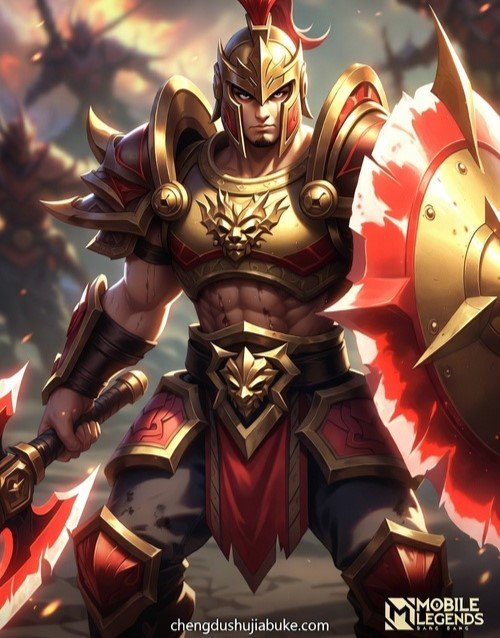
chengdushujiabuke.com – Mobile Legends: Bang Bang has evolved far beyond a simple multiplayer battle arena game. Every hero possesses unique strengths, weaknesses, and strategic value that contribute to the overall flow of a match. Winning consistently is not simply about choosing heroes with high damage output or following popular builds. Instead, success comes from understanding how heroes interact with one another, how they perform during different phases of the game, and how players can maximize their strengths while minimizing their vulnerabilities.
A well-played hero can completely change the outcome of a match. Even heroes that are considered average in the current meta can dominate if used by players who understand their mechanics and strategic purpose. Learning hero roles, matchups, and teamfight execution is therefore one of the most important aspects of improving in Mobile Legends.
Understanding Hero Roles and Their Impact on the Battlefield
Every hero in Mobile Legends belongs to a role that determines how they contribute to the team. While some heroes focus on damage and eliminations, others specialize in protection, crowd control, or supporting teammates. Understanding these roles helps players make better decisions throughout the game.
Tank heroes are often considered the backbone of a team composition. Their high durability allows them to absorb damage, protect allies, and initiate engagements. However, being a tank requires much more than simply standing in front of teammates.
Effective tank players constantly monitor enemy positioning and search for opportunities to create favorable fights. Their crowd control abilities allow teammates to follow up with damage, making tanks crucial during objective contests and large-scale team fights.
Heroes such as Tigreal, Atlas, and Minotaur excel at controlling enemy movement. A perfectly timed initiation from these heroes can instantly turn the tide of battle. However, reckless engagements can also lead to disaster, which is why patience and map awareness are essential qualities for tank players.
Tank players also serve as vision providers. By checking bushes and leading rotations, they reduce the risk of ambushes and help their team move safely around the map. Their influence extends far beyond damage numbers, making them one of the most strategically important roles in the game.
Fighters and Their Versatility in Battle
Fighters occupy a unique position between tanks and damage dealers. They possess enough durability to survive prolonged engagements while also dealing considerable damage. This balance makes them highly versatile and valuable in many team compositions.
Most fighters thrive in side lanes, where they can pressure opponents and create opportunities for split pushing. Heroes like Yu Zhong, Terizla, and Paquito are capable of dominating one-on-one encounters while remaining relevant during team fights.
Fighters excel at disrupting enemy formations. Their ability to dive into the backline and create chaos often forces opponents to reposition, allowing allied damage dealers to attack more freely. Some fighters focus on sustained damage, while others emphasize burst potential and mobility.
Because of their flexibility, fighter players must adapt their playstyle according to the situation. Sometimes they need to act as secondary frontliners, while in other cases they must prioritize eliminating enemy carries.
Supports and Their Hidden Influence
Support heroes may not always appear on highlight reels, but their contribution to victory cannot be overstated. Healing, shielding, crowd control, and mobility enhancement make support heroes invaluable assets during all stages of the game.
Heroes like Angela, Estes, and Diggie demonstrate how support abilities can completely alter the dynamics of a team fight. A well-timed heal or crowd control immunity can save allies and deny enemy combinations.
Playing support requires strong awareness and decision-making. Since supports often have lower durability, positioning becomes extremely important. They must stay close enough to assist teammates while avoiding unnecessary risks.
Good support players focus on enabling others rather than seeking personal glory. Their success is measured by how effectively they keep their team alive and create opportunities for allies to shine.
Matchups and Hero Interactions Throughout the Game
Understanding hero roles is only the first step. Players must also learn how heroes interact with each other and how those interactions evolve during different stages of the match.
The early game is heavily influenced by hero matchups. Some heroes possess strong level-one abilities and can aggressively pressure opponents, while others prefer to play defensively and focus on farming.
For example, heroes with strong sustain and crowd control often dominate extended trades, whereas scaling heroes may struggle during the opening minutes. Understanding these differences allows players to make smarter decisions regarding aggression and positioning.
Winning the lane does not necessarily require securing kills. Simply denying enemy farm and maintaining wave control can create meaningful advantages. Experienced players understand that patience and efficiency often produce better results than reckless aggression.
Map awareness also becomes critical during the early game. Heroes that push too aggressively without vision are vulnerable to enemy rotations and ganks. Maintaining proper positioning helps prevent unnecessary deaths and preserves momentum.
Mid Game Rotations and Objective Battles
As towers begin to fall, the game enters a more dynamic stage where rotations and objectives become increasingly important. During this phase, heroes are expected to leave their lanes and participate in fights around Turtle, buffs, and outer turrets.
Mid-game success depends heavily on coordination. Tanks initiate engagements, mages provide area control, and assassins search for opportunities to eliminate isolated targets. Marksmen gradually become stronger and begin contributing more damage to team fights.
Heroes with strong mobility and crowd control often excel during this stage because they can influence multiple areas of the map. Proper rotations allow teams to create numerical advantages and secure objectives without unnecessary risks.
Controlling objectives is often more valuable than chasing kills. Teams that prioritize map pressure and resource control usually establish a gold advantage that becomes increasingly difficult for opponents to overcome.
Late Game Scaling and Teamfight Priorities
The late game represents the most dangerous stage of the match. Death timers become longer, and a single mistake can determine the outcome of the game. At this point, nearly every hero has completed most of their core items, resulting in devastating team fights.
Positioning becomes more important than ever. Marksmen and mages must remain protected while dealing consistent damage. Tanks need to identify the perfect moment to engage, and assassins must wait patiently for opportunities to eliminate priority targets.
Late-game fights are often decided by discipline rather than aggression. Teams that maintain composure and communicate effectively usually gain the upper hand. Players who panic or overcommit frequently expose themselves to counterattacks that can reverse the outcome of a match.
Understanding win conditions is particularly important during this stage. Some teams rely on protecting their marksman, while others focus on burst combinations or split pushing. Recognizing these strengths allows players to make smarter strategic choices.
Mastering heroes involves much more than mechanical skill. High-level gameplay emphasizes timing, adaptation, and understanding the broader strategic picture.
Positioning and Spatial Awareness
Positioning is one of the most overlooked aspects of Mobile Legends. Even the strongest heroes become ineffective when placed in dangerous positions. Proper spacing allows players to maximize their strengths while minimizing exposure to enemy threats.
Marksmen and mages generally prefer safe positions behind the frontline, while tanks and fighters operate closer to the enemy. Assassins often remain hidden until the perfect moment to strike.
Good positioning changes constantly depending on enemy abilities, objectives, and terrain. Players who adapt their positions dynamically are far more difficult to punish and contribute more consistently during fights.
Skill Timing and Ability Management
Winning team fights often comes down to how effectively abilities are used. Wasting an important ultimate too early can leave a team vulnerable, while holding abilities for too long may result in missed opportunities.
Experienced players understand the value of patience. Instead of immediately using all available skills, they wait for enemies to commit before responding. This approach maximizes efficiency and increases the likelihood of successful engagements.
Cooldown awareness is equally important. Knowing when enemy ultimates are unavailable creates opportunities for aggression. Likewise, understanding allied cooldowns helps determine whether a fight should be taken or avoided.
Proper ability management separates average players from truly exceptional ones.
Adaptation and Strategic Flexibility
No two matches are identical, which means rigid strategies rarely produce consistent success. Hero mastery requires the ability to adapt to changing circumstances.
Item builds should be adjusted according to enemy compositions. Players must also recognize when to prioritize objectives, when to split push, and when to group with teammates. Flexibility allows heroes to remain effective even in unfavorable situations.
Adaptation extends beyond mechanics and builds. It includes understanding enemy habits, predicting rotations, and responding appropriately to unexpected developments. Players who remain calm and adjust their strategies accordingly often outperform mechanically superior opponents.
Conclusion Understanding Mobile Legends Heroes: Mastering Roles, Matchups, and Teamfight Strategy
Heroes in Mobile Legends are much more than collections of abilities and statistics. They represent distinct strategic tools that interact with teammates, objectives, and the evolving conditions of every match.
From tanks that create opportunities, to fighters that disrupt enemy formations, supports that protect allies, and carries that deliver decisive damage, each role contributes to a larger system of teamwork and coordination. Understanding hero matchups, mastering positioning, and adapting to changing situations are essential skills for long-term success.
Ultimately, true mastery in Mobile Legends is not achieved through mechanics alone. It comes from understanding how heroes influence the battlefield, recognizing the strengths and weaknesses of every situation, and making intelligent decisions that lead the team toward victory. Players who embrace these principles will not only improve their individual performance but also develop a deeper appreciation for the strategic depth that makes Mobile Legends one of the most engaging multiplayer games in the world.