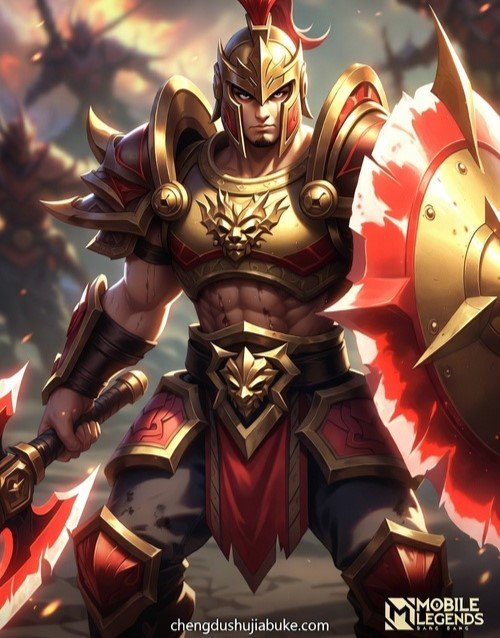
chengdushujiabuke.com – Mobile Legends: Bang Bang is often viewed as a game of mechanics, quick reactions, and hero mastery. While these elements are certainly important, the reality of high-level gameplay is far more complex. The best players are not simply those with the fastest fingers or the most impressive highlight clips. They are the players who understand how to layer strategies, convert resources efficiently, and manage the macro flow of a match from the opening minutes until the destruction of the enemy base.
Every hero in Mobile Legends serves a purpose beyond dealing damage or absorbing attacks. Heroes create opportunities, protect advantages, manipulate enemy decisions, and help shape the pace of the game. Understanding these deeper responsibilities allows players to maximize their impact regardless of role.
This guide explores strategic layering, resource conversion, and macro-oriented gameplay concepts that define success in competitive environments.
Strategic Layering and Hero Responsibilities
Every team composition in Mobile Legends functions like a machine with multiple interconnected components. Individual heroes may appear independent, but their true strength comes from how they support larger strategic goals. Strategic layering refers to the process of combining hero strengths into a cohesive system that continuously generates pressure and opportunities.
Many players focus exclusively on a hero’s primary responsibility. Marksmen are expected to deal damage, tanks are expected to initiate, and assassins are expected to secure eliminations. However, advanced gameplay requires understanding secondary responsibilities as well.
A marksman may be the team’s primary damage source, but they also contribute to objective control by rapidly destroying turrets and securing Lord pressure. A tank may initiate fights, but they are equally responsible for maintaining vision around important areas of the map. Assassins are not merely killers; they often function as information gatherers, forcing enemies to reveal positions through their presence.
The most effective players constantly evaluate both primary and secondary duties. They understand that winning requires contributing to multiple aspects of the match rather than focusing on a single task.
Secondary responsibilities often determine the difference between average and exceptional performance. Players who recognize opportunities outside their traditional role provide far greater value to their teams.
Layered Threat Creation
Threats in Mobile Legends do not exist independently. The strongest teams create multiple overlapping threats that force enemies into impossible decisions.
For example, a split-pushing fighter in a side lane creates one form of pressure. Simultaneously, a mage controlling mid lane creates another. Meanwhile, a hidden assassin generates uncertainty around jungle entrances and objectives.
Individually, these threats may be manageable. Together, they create strategic overload. Opponents must divide attention between several dangerous situations at once, increasing the likelihood of mistakes.
Layered threats are especially effective because they attack decision-making capacity. Enemies are forced to choose which danger to address first, and every choice creates vulnerabilities elsewhere.
This concept is fundamental to advanced gameplay. Teams that rely on a single threat become predictable, while teams that create multiple simultaneous threats maintain constant control over the pace of the match.
Hero Synchronization and Timing Alignment
Even the strongest heroes become ineffective if their timing does not align with teammates. Synchronization ensures that each hero reaches maximum impact during the same strategic windows.
This can be seen during objective fights, where tanks initiate, mages provide crowd control, and damage dealers follow up immediately. If any component arrives late or acts prematurely, the entire sequence loses effectiveness.
Synchronization extends beyond team fights. Rotations, lane pushes, and objective contests all require coordinated timing. A perfectly executed play often appears effortless because every hero performs their role at precisely the right moment.
Timing alignment is one of the most difficult skills to develop because it requires understanding not only your own hero but also the capabilities and limitations of your teammates.
Resource Conversion and Economic Advantage
Resources drive progression in Mobile Legends. Gold, experience, vision, cooldowns, and map control all function as currencies that can be invested or wasted. Successful teams consistently convert resources into larger advantages.
Gold is the most obvious resource in the game. Every minion wave, jungle camp, and objective contributes to item progression. However, generating gold is only the first step. The real challenge lies in converting that gold into meaningful impact.
A player who farms efficiently but fails to influence objectives contributes less than a player who converts moderate farm into map pressure and structural damage. Gold only matters when it creates actionable advantages.
Item progression should align with game conditions. Building purely offensive items may increase damage output, but defensive options can sometimes provide greater overall value if they improve survival and consistency.
Efficient players view gold as a tool rather than a score. Every purchase should support a larger strategic purpose.
Experience Management and Power Spike Utilization
Experience determines hero levels and skill upgrades. Reaching key level thresholds often creates significant power spikes that can alter the balance of power.
Players who understand experience management actively seek opportunities to maximize level advantages. They prioritize wave control, secure jungle resources when appropriate, and avoid unnecessary deaths that delay progression.
Power spikes are only valuable if they are utilized immediately. Gaining a level advantage without applying pressure wastes the opportunity. High-level players recognize these windows and act decisively before opponents catch up.
Experience advantages are particularly important during early and mid-game phases, where even small differences can determine the outcome of objectives and skirmishes.
Converting Kills into Structural Gains
One of the most common mistakes in Mobile Legends is treating kills as the ultimate objective. While eliminations are important, their true value lies in what they enable afterward.
A successful kill creates temporary numerical superiority. This advantage should be converted into tangible gains such as turrets, jungle control, vision dominance, or major objectives.
Teams that chase additional kills often waste valuable opportunities. Meanwhile, disciplined teams immediately transition from combat to map progression.
The strongest players constantly ask a simple question after every successful fight: “What can we take now?” This mindset transforms temporary victories into long-term advantages.
Macro play refers to large-scale decision-making that affects the overall flow of the game. While mechanics determine individual encounters, macro decisions determine whether those encounters matter.
Tempo Management and Game Pace Control
Tempo is the speed at which a match progresses. Some teams thrive in fast-paced environments with constant fighting, while others prefer slower games that emphasize scaling and resource accumulation.
Controlling tempo means forcing the game into conditions that favor your composition. Aggressive teams accelerate tempo through invasions, rotations, and objective pressure. Scaling teams slow the pace by prioritizing wave clear and defensive positioning.
Heroes play a crucial role in tempo control. Early-game specialists naturally encourage aggression, while late-game carries benefit from stability and patience.
Recognizing which tempo favors your team allows for more intelligent decision-making throughout the match.
Objective Sequencing and Strategic Prioritization
Objectives are not isolated events. They form sequences that gradually increase map control and pressure.
A Turtle may lead to lane dominance. Lane dominance may lead to turret destruction. Turret destruction may lead to jungle invasion opportunities. These interconnected steps create a chain of advantages.
Strategic prioritization involves understanding which objectives matter most at any given moment. Sometimes securing Lord is critical. Other times, controlling vision and wave states provides greater value.
Teams that understand objective sequencing avoid unnecessary fights and focus on actions that support their long-term goals.
Endgame Stability and Decision Discipline
As matches approach the late game, decision quality becomes increasingly important. Death timers lengthen, objectives become more valuable, and mistakes carry greater consequences.
Endgame stability requires discipline. Players must resist the temptation to overextend, chase low-value kills, or force unfavorable engagements.
Heroes that excel in late-game scenarios often rely on proper positioning and protection rather than raw aggression. Maintaining formation and preserving resources become top priorities.
The most successful teams approach the endgame with patience. They understand that a controlled victory is far more reliable than a risky attempt to end the game quickly.
Conclusion Mobile Legends Hero Mastery: Strategic Layering, Resource Conversion, and Competitive Macro Play
Mastering heroes in Mobile Legends extends far beyond learning abilities or memorizing item builds. True mastery comes from understanding how heroes contribute to strategic layering, resource conversion, and macro-oriented decision-making.
Every hero influences the game through multiple responsibilities. Every resource can be transformed into larger advantages. Every decision shapes the pace and direction of the match. Players who understand these relationships gain a level of control that goes far beyond mechanical execution.
Ultimately, Mobile Legends is a game of systems. Heroes are not merely characters with unique skills—they are strategic instruments that interact with pressure, resources, objectives, and tempo. The players who master these deeper layers consistently outperform those who rely solely on mechanics, because they understand not just how to play their hero, but how to control the entire flow of the game itself.