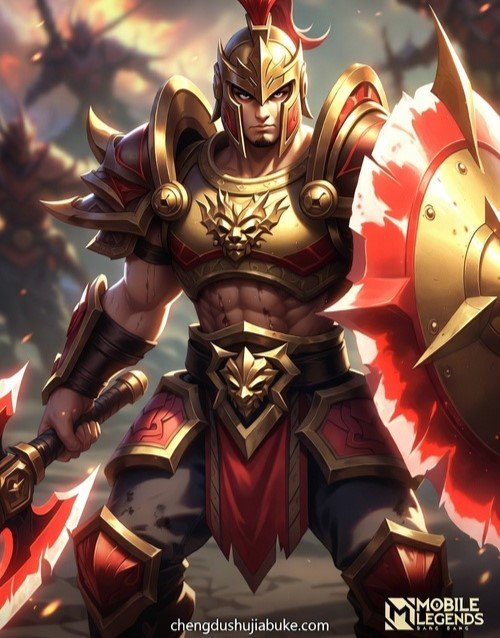
chengdushujiabuke.com – Every victory in Mobile Legends begins long before the first minion reaches the lane. Experienced players understand that success is not determined solely by mechanical skill or flashy outplays, but by whether every member of the team understands the responsibility attached to the role they have chosen. Many ranked matches are lost because several players attempt to become the primary damage dealer while ignoring objectives, lane assignments, or vision control. A balanced lineup allows every hero to contribute differently, creating opportunities that cannot be achieved by individual skill alone. Understanding these responsibilities is the first step toward becoming a more consistent player regardless of rank.
The Gold Laner as the Team’s Primary Late-Game Damage Dealer
The Gold Lane is designed to accelerate the growth of heroes that rely heavily on equipment. Marksmen dominate this lane because every additional item dramatically increases their damage output. However, playing Gold Lane is not simply about farming endlessly. A successful Gold Laner constantly evaluates whether it is safe to collect minions, pressure the turret, or rotate toward important objectives.
Positioning is the defining characteristic of an excellent Gold Laner. Strong players rarely expose themselves unnecessarily before major objectives appear. They understand that surviving is often more valuable than forcing an extra kill. Instead of chasing opponents deep into enemy territory, disciplined Gold Laners focus on maintaining efficient farming patterns while monitoring the minimap. They recognize enemy rotations early, retreat before danger arrives, and continue building their economy without sacrificing unnecessary deaths.
During the mid game, the Gold Laner gradually transforms from a passive farmer into the team’s primary source of sustained damage. Every team fight revolves around protecting this hero while allowing continuous attacks against enemy frontliners. Rather than entering fights first, Gold Laners should patiently wait behind tanks and fighters until crowd control abilities have already been committed. This patience dramatically increases survival rate while maximizing total damage dealt throughout extended engagements. When the match reaches the late game, even a small positioning mistake can determine the outcome of the entire game. The strongest Gold Lane players therefore value discipline above aggression, understanding that dealing damage consistently is far more valuable than securing highlight-worthy eliminations.
EXP Lane as the Foundation of Team Stability
Unlike the Gold Lane, the EXP Lane emphasizes durability, sustain, and independent decision making. Heroes assigned here are expected to survive difficult matchups without requiring constant assistance from teammates. Fighters dominate this lane because they possess a balance between survivability, mobility, and offensive capability. Throughout the early game, the EXP Laner develops both experience and map awareness while preparing for larger objectives.
One of the greatest strengths of an EXP Laner is the ability to influence multiple parts of the map after clearing waves efficiently. Instead of remaining isolated indefinitely, experienced players quickly rotate toward Turtle fights, invade enemy jungle alongside teammates, or pressure nearby lanes when opportunities emerge. These movements force opponents to react, creating numerical advantages elsewhere on the battlefield.
Split pushing also becomes an important responsibility later in the match. A durable fighter can pressure side lanes while maintaining the ability to escape unfavorable situations. This forces enemies to divide their attention between defending structures and contesting major objectives. Nevertheless, successful split pushing requires excellent judgment. Remaining in a side lane while Lord is spawning often places the entire team at a disadvantage if teleportation or rapid rotation is impossible. Elite EXP Laners therefore balance map pressure with objective timing, constantly evaluating whether joining teammates or continuing side lane pressure creates greater value for the team.
Jungle, Mid Lane, and Roaming as the Engine of Team Momentum
The remaining core roles function together to establish the tempo of every match. Junglers dictate objective control through efficient farming routes and decisive rotations. Mid Laners provide wave clear, burst damage, and crowd control that enables successful ganks. Roamers create vision, initiate engagements, protect vulnerable allies, and coordinate movement across every section of the battlefield.
A Jungler’s early path determines much of the game’s momentum. Efficient clearing minimizes wasted time while ensuring timely arrival at the first Turtle contest. Rather than forcing unnecessary skirmishes before reaching important power spikes, disciplined Junglers prioritize resource efficiency. They constantly compare their own progress with the opposing Jungler, seeking opportunities to invade only when sufficient information confirms safety. Objective security frequently outweighs kill count because Turret pressure, Turtle buffs, and Lord control generate advantages that extend far beyond temporary eliminations.
Meanwhile, Mid Lane players act as the team’s strategic connector. Since the middle lane provides the shortest rotation paths toward every objective, Mid Laners must constantly clear waves before assisting teammates elsewhere. Delayed rotations often allow enemies to establish superior positioning around Turtle, Lord, or contested jungle entrances. Vision provided through intelligent movement also enables safer decisions for both Junglers and side laners.
Roamers complete this strategic triangle by acting as the team’s eyes and shield. Exceptional Roamers rarely measure success through personal statistics. Instead, they create opportunities that allow teammates to succeed. Whether absorbing dangerous abilities, providing crowd control, escorting the Gold Laner, or establishing vision around objectives, every action contributes toward collective victory. The most impactful Roamers understand that sacrificing individual glory often produces far greater rewards for the entire team.
Building Strong Macro Gameplay Through Team Coordination
Understanding individual responsibilities is only the beginning. Winning consistently requires every role to combine its strengths through coordinated macro gameplay. Macro refers to the strategic decisions that influence the overall state of the match rather than isolated mechanical interactions. Teams with superior macro frequently defeat mechanically stronger opponents simply by making better decisions regarding objectives, rotations, lane pressure, and resource allocation.
Minion waves are among the most valuable resources in Mobile Legends because they generate continuous economic pressure without requiring direct combat. Skilled players constantly manipulate wave timing to create favorable situations across the map. Clearing a wave quickly before rotating allows a player to contribute to objectives without sacrificing income. Conversely, ignoring large minion waves often causes significant economic losses that accumulate throughout the match.
Effective lane pressure also forces difficult decisions upon opponents. When multiple lanes advance simultaneously, defenders cannot respond everywhere at once. This creates openings for objective control, jungle invasions, or favorable team fights elsewhere. Rather than grouping aimlessly after every successful skirmish, coordinated teams spread pressure intelligently before converging at critical objectives. This synchronization stretches enemy defenses while maximizing map control.
Wave management becomes especially important before Lord contests. Pushing side lanes first forces opponents to reveal themselves while defending structures, reducing their ability to contest Lord effectively. Even if the Lord fight itself remains evenly matched, pre-existing lane pressure often ensures that the winning team converts the objective into multiple destroyed turrets afterward. These seemingly small decisions separate experienced strategic players from individuals focused solely on combat.
Objective Control Instead of Endless Fighting
One of the most common mistakes among developing players is believing that kill count alone determines victory. In reality, objectives create lasting advantages that continue generating value throughout the game. Turrets expand safe territory, Turtle grants permanent benefits, and Lord applies overwhelming pressure capable of ending matches.
Successful teams therefore evaluate every engagement according to its strategic reward. Rather than chasing isolated enemies across the map, they ask whether the elimination creates opportunities to secure Turtle, invade jungle camps, destroy structures, or establish superior vision. This objective-oriented mindset dramatically increases efficiency because every successful fight immediately converts into measurable map control.
Timing also plays a crucial role. Fighting immediately before Turtle appears may leave key abilities unavailable during the actual objective contest. Likewise, committing several players to eliminate one isolated opponent while Lord remains uncontested often produces unfavorable exchanges despite securing the kill. Experienced shot callers constantly balance aggression with timing, ensuring that every engagement supports larger strategic goals rather than satisfying temporary impulses.
Discipline becomes particularly valuable during late-game situations. A single unnecessary chase can expose the entire team to ambushes, allowing opponents to secure Lord and reverse seemingly unwinnable matches. Remaining patient, maintaining formation, and prioritizing objectives over individual glory consistently produces better long-term results.
Team Fight Execution and Late-Game Decision Making
Late-game Mobile Legends revolves around execution under pressure. Item builds are largely complete, respawn timers become lengthy, and one decisive engagement may determine the entire match. At this stage, communication, positioning, and role discipline outweigh mechanical brilliance.
Frontline heroes initiate only after confirming teammate readiness. Damage dealers remain patient until major enemy crowd-control abilities have already been committed. Assassins search patiently for vulnerable backline targets instead of diving recklessly into multiple defenders. Supports monitor ally positioning while preserving defensive abilities for critical moments rather than using them immediately.
Target prioritization also becomes increasingly important. Eliminating the opposing Marksman or Mage frequently provides greater value than chasing heavily armored frontliners. Nevertheless, forcing risky dives solely to reach priority targets often backfires. Elite teams instead create favorable circumstances through layered crowd control, coordinated positioning, and gradual resource advantages before committing fully.
Information management further distinguishes advanced teams. Constant minimap awareness allows players to predict flanks, identify missing enemies, and anticipate objective contests before they occur. Rather than reacting after danger becomes visible, experienced players proactively reposition according to available information. This anticipation reduces unnecessary deaths while improving overall consistency.
Perhaps the greatest lesson of late-game Mobile Legends is understanding when not to fight. Retreating temporarily to defend waves, regroup after losing vision, or wait for key abilities frequently creates stronger opportunities than forcing desperate engagements. Confidence does not require reckless aggression; it requires recognizing the highest percentage play in every situation. Teams that consistently make disciplined decisions gradually accumulate advantages until victory becomes inevitable rather than accidental.
Becoming a Complete Mobile Legends Player Through Continuous Improvement
Many players spend countless hours practicing hero combinations and mechanical execution while overlooking the strategic habits that truly determine long-term improvement. Mechanics certainly matter, but consistency comes from decision making. Reviewing replays, identifying poor rotations, recognizing unnecessary deaths, and understanding objective timing produce far greater improvement than endlessly repeating identical gameplay patterns.
Strong players also expand their hero pools gradually across multiple roles. Even if they specialize in one position, understanding the challenges faced by teammates improves communication and cooperation. A Gold Laner who understands Jungle pathing becomes more patient during early rotations, while a Roamer familiar with EXP Lane timing can coordinate objective contests more effectively.
Adapting to Different Matches
No two Mobile Legends matches unfold identically. Hero compositions, player tendencies, and drafting phases all influence optimal decision making. Flexible players adjust item builds, rotation patterns, and positioning according to the unique circumstances of each game rather than following rigid formulas. Adaptability transforms knowledge into practical success because every match presents new strategic puzzles requiring thoughtful solutions instead of automatic responses.
Maintaining the Right Competitive Mindset
Mental discipline remains one of the most overlooked aspects of competitive improvement. Frustration after individual mistakes often leads to reckless decisions that compound existing disadvantages. Experienced players instead remain focused on controllable factors such as wave management, vision, positioning, and objective timing. Even after difficult early games, disciplined macro play frequently creates comeback opportunities because Mobile Legends rewards coordinated teamwork more than early kill advantages alone.
Conclusion Mastering Every Role in Mobile Legends: The Complete Gameplay Guide to Winning More Ranked Matches
Mastering Mobile Legends is not about becoming the best Marksman, Fighter, Mage, Assassin, Tank, or Support in isolation. It is about understanding how every role contributes to a unified strategy where individual responsibilities combine into coordinated team success. Gold Laners provide consistent damage, EXP Laners establish map pressure, Junglers secure objectives, Mid Laners control rotations, and Roamers enable everyone else to perform effectively. When these responsibilities are executed with discipline, supported by intelligent macro decisions, efficient wave management, strong objective control, and patient late-game execution, victories become increasingly consistent. True improvement therefore comes not from chasing spectacular highlights, but from mastering the countless strategic decisions that quietly shape every successful match.