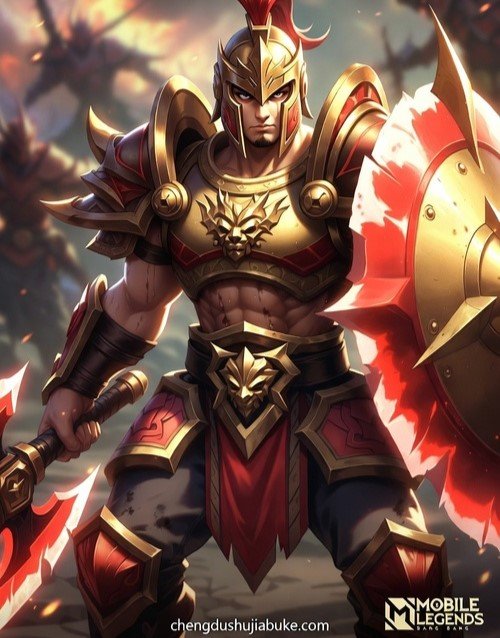
chengdushujiabuke.com – Mobile Legends: Bang Bang is a game that rewards players who can combine mechanical execution with awareness and decision-making. Learning how to move a hero, use abilities, and purchase suitable items is important, but those skills alone do not determine how well a player performs over an entire match. A player can have excellent mechanics and still struggle if they do not know when to leave a lane, when to contest an objective, or when an apparently easy fight is actually dangerous. The battlefield is constantly changing, which means players need to observe what is happening and adjust their plans instead of following the same routine from beginning to end. Understanding the flow of a match helps players recognize when to farm, when to pressure, when to rotate, and when to wait. These decisions may appear small individually, but together they determine which team controls more of the map and which team has more opportunities to reach the enemy base.
For players who are still developing their skills, one of the most useful improvements is learning to look beyond their own hero. It is natural to concentrate on abilities, health, and nearby opponents, but Mobile Legends is a team game where events in one part of the map can affect another part several seconds later. A player farming in one lane may need to react when an enemy disappears from another lane. A jungler may change their route because an objective is becoming available. A marksman may need to delay a push because the opposing assassin has not appeared on the map. These decisions require information, and information comes from observing the minimap, tracking enemy movement, understanding lane states, and communicating with teammates. The more effectively a player processes this information, the easier it becomes to make decisions that are useful rather than reactive.
Reading the Map and Managing Lane Conditions
Minion waves are one of the foundations of Mobile Legends because they provide gold and experience while also creating pressure against enemy structures. Players sometimes treat minions as simple targets that should be cleared as quickly as possible, but the position and timing of a wave can influence the entire map. A wave near your turret can provide a safe source of resources, while a wave pushed toward the enemy side can force an opponent to spend time defending. The difference becomes especially important when players are preparing to rotate. Clearing a wave efficiently can create several seconds during which a player is free to move without immediately losing resources.
Players should therefore think about what happens to the lane after they clear it. If the wave is pushed too far without vision, the player may expose themselves to an enemy rotation. If the wave is left too close to the enemy turret, the opponent may clear it safely and regain control. The ideal decision depends on the situation. Before an objective becomes available, pushing a nearby lane can be valuable because it forces the enemy to choose between defending the wave and joining the objective contest. During a dangerous period, keeping the wave closer to a safer position may reduce the chance of being caught. Players should also consider whether their hero is strong enough to clear waves quickly or whether doing so requires too much time and exposes them to attacks. Once players understand that minion waves are tools for creating time and pressure rather than merely sources of gold, lane management becomes a much more strategic part of the game.
Knowing When to Leave Your Lane
Leaving a lane can create opportunities, but leaving at the wrong moment can also cause a player to lose valuable resources. The decision should be based on the condition of the lane, the location of teammates, and what can realistically be achieved elsewhere. If a player has just cleared a wave and an ally is preparing to contest an objective, moving toward that area may be useful. If a large enemy wave is approaching the player’s turret, however, leaving without a clear reason may create unnecessary losses.
Timing is especially important for heroes that depend heavily on farm. A marksman may need to prioritize collecting gold during certain parts of the game, while a roaming support may have more freedom to move between lanes. Players should therefore understand their hero’s economic needs before copying the movement patterns of another role. A rotation should also have a realistic purpose. Moving across the map simply because another teammate is fighting can waste time if the fight will be over before arrival. On the other hand, arriving early can sometimes change the outcome of an engagement. The player needs to estimate whether their presence will matter and whether the cost of leaving the current lane is acceptable. This decision becomes easier with experience because players begin recognizing common situations. They learn when a wave is safe to leave, when an objective is important enough to justify movement, and when staying in lane provides greater value. Effective rotations are therefore not about moving constantly but about moving at moments when the map offers a meaningful reason to do so.
Using the Minimap to Predict Danger
The minimap is one of the most valuable sources of information in Mobile Legends, yet many players only look at it after something has already happened. Strong map awareness is more proactive. Players should use visible information to predict where danger might appear and where opportunities may develop. If several enemy heroes are visible on one side of the battlefield, another area may temporarily be safer. If multiple opponents disappear simultaneously, players should become more cautious about pushing forward.
Prediction does not require perfect knowledge of the enemy’s exact location. Instead, players can make reasonable assumptions based on the information available. For example, if an enemy hero has just cleared a wave and disappears from vision, they may be rotating toward another lane or an objective. If the opposing jungler has not been seen for a significant period, a player should be careful about entering an exposed area alone. These possibilities do not mean danger is guaranteed, but they should influence positioning. Players can also use the minimap offensively. If several opponents are visible far away, a teammate may have enough time to pressure another lane or take a resource. This is why map awareness is both defensive and strategic. It helps players avoid unnecessary deaths while also revealing moments when the enemy cannot respond quickly. With practice, checking the minimap becomes a natural part of gameplay rather than a separate task that players must consciously remember.
Making Smarter Combat and Positioning Decisions
Initiating a fight is not simply about finding an enemy and attacking them. A good engagement usually happens when several conditions are favorable. The team may have more visible players nearby, important abilities may be available, or an enemy may be positioned too far away from their teammates. Conversely, a fight can become dangerous when the team is divided, important cooldowns are unavailable, or several enemy heroes are missing from vision.
Players should learn to recognize these conditions before committing. A hero with strong initiation tools may create an opportunity, but teammates need to be close enough to follow. If an initiator jumps forward while allies are still clearing a wave, the engagement may fail despite perfect mechanical execution. Timing also matters because an enemy who has just used a defensive ability may be more vulnerable than one who still has all their tools available. This creates a deeper layer of combat decision-making. Players are not simply asking whether they can damage an opponent; they are asking whether the opponent can effectively respond. The best engagements often happen when the enemy has limited options. This could be because they are isolated, have already used key abilities, or are forced to defend another part of the map. Learning to wait for these conditions can dramatically improve team fights without requiring players to become mechanically perfect.
Positioning According to Your Role
Positioning should always reflect the purpose of a hero. A frontline character may need to move closer to the enemy team to create space, while a ranged damage dealer usually benefits from remaining behind protective teammates. A mage may need enough distance to cast abilities safely, while an assassin might stay outside the main engagement until an important target becomes vulnerable. These differences mean there is no universal position that is correct for every player.
Players should also think about threat ranges. Standing within an enemy’s initiation range can be dangerous even when the enemy has not attacked yet. Similarly, standing too far away from teammates can make it difficult to receive protection or follow up on an engagement. Good positioning involves finding a distance where the player can contribute while limiting the enemy’s ability to punish them. This distance changes throughout a fight. If an enemy initiator uses a major ability, a damage dealer may have more freedom to step forward. If an enemy assassin disappears from vision, the same player may need to move backward immediately. Positioning is therefore not a fixed location but a continuous response to the battlefield. Players who develop this awareness often survive longer and deal more meaningful damage because they are not forced to spend the entire fight escaping from avoidable threats.
Learning to Disengage Without Losing Control
Knowing when to retreat is one of the clearest signs of mature gameplay. Players naturally want to continue fighting when an enemy has low health, but a retreating opponent may be protected by teammates or may be leading the player into an unfavorable area. Disengagement becomes especially important when a team’s health, abilities, or positioning begins to deteriorate.
A retreat does not necessarily mean giving up the entire situation. Players can move backward while maintaining pressure through ranged abilities, crowd control, or defensive positioning. Sometimes the objective is simply to survive until cooldowns return or teammates arrive. In other situations, retreating from one location allows the team to defend another area more effectively. Players should avoid interpreting every withdrawal as a failure. The purpose of a strategic retreat is to prevent the opponent from converting a small advantage into a much larger one. If an enemy team uses several major abilities without securing a kill, disengaging can leave them with fewer resources for the next encounter. Similarly, if the opposing team is chasing too aggressively, they may become vulnerable after moving away from their own structures. Good players recognize these moments and know when to stop retreating and begin counterattacking. The important principle is that combat should remain under control rather than becoming an emotional exchange where players continue fighting simply because they have already committed.
Converting Kills Into Real Progress
A successful kill can create an advantage, but the advantage becomes more valuable when the team converts it into something lasting. If an enemy hero is eliminated, teammates should consider what resources or structures can be taken while that player is unavailable. Depending on the situation, the team might push a turret, secure an objective, invade an exposed jungle area, or establish better map control. The correct decision depends on the locations of the remaining opponents and the amount of time available.
This is where players need to avoid the habit of chasing endlessly. After eliminating one opponent, it can be tempting to search for another kill immediately. However, if the remaining enemies are safely positioned near their structures, continuing the chase may accomplish little. The team may gain more by pushing a lane or taking an objective. Players should also recognize when a kill is too expensive. If several teammates use their ultimates and lose significant health just to eliminate one opponent, the team may not have enough resources to take anything afterward. A kill is therefore not automatically a complete success. Its value depends on what it enables. This mindset encourages players to think about the next step immediately after combat. Instead of celebrating an isolated elimination and then wandering around the map, the team can use the temporary numerical advantage to create a stronger position.
Creating Momentum Through Consecutive Decisions
Momentum in Mobile Legends often comes from several small advantages that occur close together. A team may clear a wave, force an opponent to recall, take control of an objective area, and then damage a turret. None of these actions alone necessarily decides the match, but together they can make it increasingly difficult for the enemy to regain control. The important skill is recognizing how one advantage can prepare the next.
Players should therefore avoid treating every successful action as an independent event. If a turret is destroyed, the resulting map access can make it easier to invade nearby areas. If an enemy team is forced away from an objective, that movement may create an opportunity to push another lane. If several enemies use their recall at the same time, the team may have a temporary window to establish deeper vision or pressure. Momentum comes from connecting these opportunities rather than resetting to neutral after every play. At the same time, players should not become reckless simply because the team is ahead. An advantage increases the number of options available, but it does not eliminate risk. Continuing to make aggressive plays without considering enemy positions can allow the opponent to recover. Good momentum is controlled momentum. The team keeps moving forward while protecting the advantages it has already earned.
Closing the Match Through Controlled Pressure
Ending a Mobile Legends match requires more than reaching the enemy base and attacking it. Teams must create a situation where the enemy has limited ways to defend. This can involve pushing multiple lanes, controlling important objectives, maintaining a numerical advantage, or forcing opponents to leave their base. Players should focus on creating pressure that the enemy cannot answer easily rather than repeatedly forcing direct attacks.
Minion waves are especially important during this stage because structures are easier to approach when allied minions are present. Players should coordinate their movement with those waves instead of entering dangerous areas without support. The team should also avoid unnecessary deaths because respawn timers become increasingly significant. If one player is eliminated before a major push, the team may lose its ability to finish the game safely. Patience is therefore an important part of closing. Sometimes waiting for another wave or another objective creates a much safer opportunity than forcing an immediate attack. Players should also monitor the minimap constantly because an enemy who leaves the base may be attempting to flank or create pressure elsewhere. The final phase of the match rewards teams that can maintain control without becoming impatient. The goal is not simply to attack until the game ends but to gradually remove the opponent’s options until the final push becomes difficult to stop.
Conclusion How to Read the Game and Make Better Decisions in Mobile Legends
Becoming a better Mobile Legends player requires more than practicing hero mechanics. Players need to learn how to read the battlefield, understand minion waves, recognize power spikes, manage rotations, position themselves correctly, choose appropriate moments to fight, and convert successful plays into meaningful objectives. These skills work together throughout the match. A good decision in one area can create opportunities in another, while a poor decision can quickly remove an advantage that took several minutes to build.
The most useful approach is to think about the game as a continuous chain of decisions. Before moving, consider what information is available. Before fighting, consider whether the conditions are favorable. After winning a fight, consider what can be gained from it. When ahead, protect the advantage instead of assuming the match is already decided. When behind, look for opportunities to recover rather than taking unnecessary risks. By developing this way of thinking, players can become more consistent even when their mechanical skill is still improving. Mobile Legends rewards players who understand timing, information, positioning, and teamwork, and these skills become increasingly valuable as the level of competition rises. Ultimately, the ability to read the game and make purposeful decisions is what turns individual actions into meaningful progress toward victory.