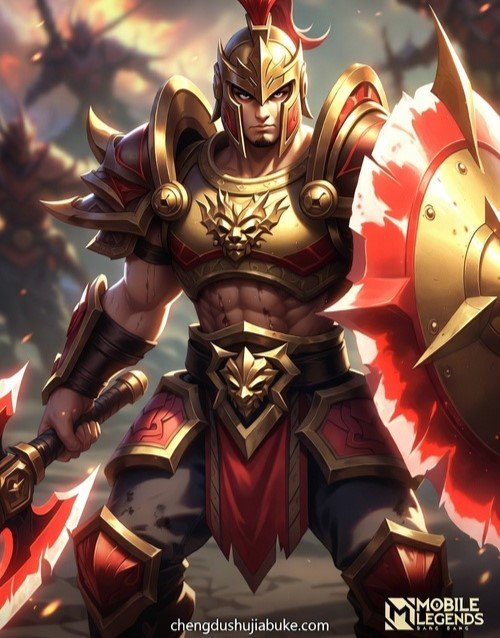
chengdushujiabuke.com – Mobile Legends: Bang Bang is often described as a fast-paced multiplayer battle arena where players choose heroes, destroy enemy structures, and work together to reach the opposing base. However, understanding the basic controls and hero abilities is only the beginning. Many matches are decided not by who has the most impressive mechanical skills, but by which team makes better decisions throughout the game. Knowing when to farm, when to rotate, when to defend, and when to contest an objective can create a major difference even when both teams have similar mechanical ability. A player who understands the flow of a match can contribute more consistently because every movement has a purpose rather than being based on random reactions.
Improving in Mobile Legends requires a combination of mechanical control, map awareness, resource management, positioning, and communication. Players need to understand that every lane, jungle camp, turret, and neutral objective is connected to the wider strategy of the match. A decision that looks small, such as leaving a lane early or taking an unnecessary fight, can create consequences several minutes later. At the same time, a good decision does not always mean attacking. Sometimes the correct play is to wait, clear a wave, protect a teammate, or give up an objective in order to avoid a worse situation. This guide explains how players can build a stronger understanding of macro gameplay, improve their rotations, manage pressure across the map, and make more reliable decisions during the late game.
Understanding the Match Flow and Building a Strong Early Game
Every Mobile Legends match becomes easier to understand when each player recognizes the responsibility of their chosen role. The common roles include EXP laner, Gold laner, Mid laner, Jungler, and Roamer. Each position has a different purpose, and a team becomes disorganized when players focus only on personal kills instead of fulfilling their role. The EXP laner usually needs to survive difficult lane situations, gain experience, and become useful during early skirmishes. The Gold laner focuses on collecting gold and reaching important item power spikes, while the Mid laner helps clear waves and move toward areas where assistance is needed. The Jungler manages jungle resources and often controls the timing of important neutral objectives. The Roamer provides information, creates pressure, protects vulnerable teammates, and helps the team establish favorable fights.
Understanding a role does not mean following a fixed routine without considering the match. A Gold laner may need to play safely if the enemy has strong dive potential. An EXP laner may need to leave the lane earlier when a Turtle fight is approaching. A Roamer may need to protect the jungler in one match but provide vision near the enemy Gold lane in another. The best players understand the basic duties of their roles while remaining flexible. They recognize that a role is not simply a position on the map, but a responsibility connected to the team’s current needs. Before the match begins, players should consider their hero’s strengths, weaknesses, early-game damage, mobility, and scaling potential. This allows them to decide whether they should look for early pressure or focus on reaching a stronger stage of the game.
Managing Minion Waves and Lane Resources
Minion waves are among the most important resources in Mobile Legends because they provide gold, experience, and pressure against enemy turrets. Many players leave their lane too often without considering what will happen to the next wave. A rotation can be valuable, but abandoning several waves without gaining anything in return may cause a player to fall behind. Before leaving a lane, it is useful to check whether the wave is pushing toward the enemy turret, whether the enemy laner is visible, and whether the planned rotation has a realistic chance of producing an advantage. If a player leaves at the wrong time, the opponent may collect free resources, damage the turret, and gain control of the lane.
Wave management also influences objective fights. When a Turtle or Lord is about to appear, clearing the nearby wave can give a team more freedom to move first. A team that pushes a side lane before gathering near an objective forces the enemy to choose between defending the wave and joining the contest. This creates pressure without requiring an immediate fight. However, pushing too far without information can also be dangerous. Players must consider whether enemy heroes are missing from the map and whether they have enough escape tools to survive a possible ambush.
Good lane management is not always about pushing as quickly as possible. Sometimes freezing a wave near a safe position can deny the enemy access to resources. In other situations, quickly clearing the wave allows a player to rotate and help teammates. The correct decision depends on the hero, matchup, turret condition, objective timing, and enemy location. Players should develop the habit of asking what they gain from each wave decision instead of clearing minions automatically.
Reading the Minimap Before Making a Move
The minimap provides information that cannot be gained from the main screen alone. It shows the location of visible enemies, allied heroes, turrets, objectives, and minion waves. Players who check the minimap regularly can avoid many unnecessary deaths because they recognize danger before it becomes obvious. A missing enemy does not automatically mean that the enemy has recalled. They may be hiding in a bush, moving toward another lane, preparing an invasion, or waiting for a teammate to arrive. Treating missing enemies as a potential threat encourages safer positioning.
Map awareness should influence every movement. Before entering the enemy jungle, players should consider which opponents are visible and which are missing. Before pushing a side lane, they should check whether the enemy’s main damage dealers are showing elsewhere. Before starting a teamfight, they should identify whether the enemy’s key crowd-control or burst hero is nearby. These checks take only a moment, but they can completely change the outcome of a play.
The minimap is also useful for identifying opportunities. If several enemies appear on the opposite side of the map, a player may have time to push a turret, take a jungle camp, or prepare an objective. If an enemy hero shows low health in a lane, the team may be able to apply pressure. The important point is that map information should lead to a decision. Looking at the minimap without changing behavior does not create an advantage. Players should use the information to decide whether to advance, retreat, rotate, defend, or wait.
Improving Rotations, Teamfights, and Objective Control
A rotation is a movement from one area of the map to another in order to create or respond to pressure. Strong rotations are usually connected to a clear purpose, such as helping a lane, protecting the jungler, preparing for an objective, defending a turret, or creating a numbers advantage. Weak rotations often happen because players move without a plan. They leave their lane, wander through the river, and arrive too late to influence anything. During that time, they may lose minion gold while gaining no meaningful advantage.
Before rotating, players should consider the distance, timing, and likely result. If a Mid laner leaves the lane to help the Gold laner, the movement should ideally happen after the mid wave is cleared. If the Jungler wants to contest an objective, nearby lanes should have enough pressure to move first. If the Roamer wants to invade the enemy jungle, the team should know whether the enemy can respond quickly. A rotation becomes stronger when multiple teammates understand the same plan.
Players should also avoid rotating simply because an ally is fighting. Not every fight needs assistance. Sometimes a teammate is already in an unwinnable position, and joining them only creates additional deaths. A better response may be to push another lane, protect a turret, or take a resource on the opposite side. This does not mean abandoning teammates without thought. It means understanding that the best response to pressure is sometimes a trade rather than a direct rescue.
Positioning and Timing During Teamfights
Teamfights in Mobile Legends are often decided before the first skill is used. Positioning, vision, cooldowns, and target selection determine whether a team can execute its plan. Damage dealers should avoid standing where they can be reached easily by enemy assassins or fighters. Tanks and initiators need to understand whether their teammates are close enough to follow up. Mages should consider the range and timing of their crowd-control abilities, while marksmen need to maintain safe distance and consistent damage output.
One common mistake is entering a fight too early. A player may see an enemy and immediately use every skill, only to discover that the rest of the team is too far away. Another mistake is entering too late, after allies have already used their important abilities or lost most of their health. Good timing requires observing the positions of both teams. Players should ask whether the enemy is grouped, whether their key abilities are available, and whether the team has enough damage to finish the target.
Target selection is equally important. Attacking the closest enemy is not always the correct choice. A team may need to eliminate a vulnerable damage dealer, interrupt an important channeling skill, or force a mobile assassin away from the backline. However, chasing a low-health enemy too far can separate the team and create a new danger. Players should understand when to continue pursuing and when to return to a safer position.
Teamfights also require discipline after the first exchange. Winning the opening moment does not guarantee victory. Players must watch health bars, remaining cooldowns, enemy reinforcements, and nearby objectives. Sometimes the correct choice after winning a small fight is to take Lord or a turret. In other situations, the team should retreat because the remaining enemies still have strong defensive tools.
Making Better Decisions Around Turtle and Lord
Neutral objectives are important because they can create team-wide advantages and open paths toward enemy structures. However, contesting every objective without preparation can be dangerous. Before approaching Turtle or Lord, a team should clear nearby waves, establish vision, check enemy positions, and decide whether it has the ability to secure the objective. Starting an objective while several enemy heroes are missing can give the opponent an easy opportunity to steal it or initiate a favorable fight.
Objective control begins before the objective appears. Players should manage their lane positions so that they can move toward the area without losing too many resources. The Roamer should provide information around entrances and bushes, while the Jungler should consider Retribution timing and the enemy’s possible approach. Damage dealers should avoid revealing themselves in risky positions before the fight begins. If the enemy arrives first and controls the surrounding area, the team may need to delay the objective rather than forcing an unfavorable contest.
There are also moments when giving up an objective is the correct strategic choice. If the team is behind, several heroes are dead, or important abilities are unavailable, contesting may result in even greater losses. In that situation, players can look for compensation by pushing a lane, taking enemy jungle resources, defending a turret, or preparing for the next objective. The goal is not to win every individual event, but to reduce the total damage caused by a difficult situation.
Lord decisions become especially important in the late game. A team should not begin Lord simply because the enemy has disappeared from the map. It should evaluate whether the enemy has strong steal potential, whether side lanes are pushed, and whether the team can safely finish the objective. Sometimes showing pressure around Lord is enough to force enemy movement while another teammate pushes a side lane. Other times, the team should use Lord as a way to begin a controlled fight rather than focusing only on the objective’s health.
Playing From Ahead Without Becoming Careless
A team that gains an early advantage must learn how to convert that advantage into map control. Many players become overconfident after collecting kills and begin chasing enemies into dangerous areas. This can give the opposing team opportunities to recover. A lead becomes meaningful when it is transformed into turrets, objectives, enemy jungle control, and safer access to resources.
When ahead, players should prioritize actions that limit the enemy’s options. Pushing lanes makes it harder for opponents to move freely. Taking outer turrets opens the map and creates more space for invasions. Controlling the enemy jungle reduces their access to gold and experience. Maintaining vision around important routes makes it harder for the enemy to initiate surprise attacks.
A team with a lead should also avoid unnecessary dives. If the enemy is defending beneath a turret with strong crowd control, forcing a fight may be less valuable than waiting for minions or an objective. Patience is an important part of closing games. Players should remember that the enemy still has access to comeback mechanics, item scaling, and mistakes that can be punished. The safest way to finish a match is usually through coordinated pressure rather than repeated individual aggression.
Recovering When the Team Falls Behind
Falling behind does not mean the match is automatically lost. However, a losing team must change its behavior. Continuing to fight in the same way that caused the deficit often makes the situation worse. When behind, players should reduce unnecessary deaths, defend important waves, protect high-value resources, and search for moments when the enemy becomes overextended.
Vision becomes especially important during recovery. A team that lacks information should avoid entering dark areas alone. Players can defend from safer positions and wait for the enemy to reveal themselves. If the opposing team groups around an objective, the losing team may be able to push a distant lane or take an exposed turret. These trades will not always equalize the game immediately, but they can slow the enemy’s progress and create time for item scaling.
The losing team should also identify its strongest comeback condition. Some compositions become stronger in late-game teamfights, while others depend on split pushing, pickoffs, or wave clear. Players should build their decisions around that strength. If the team has strong defensive abilities, it may be better to protect high ground and wait for the enemy to make a mistake. If the team has mobile heroes, it may be able to pressure side lanes and force opponents to separate.
Recovery requires emotional control. Blaming teammates often leads to rushed decisions and poor communication. Players should focus on the next useful action rather than the mistake that already happened. A single successful defense, pickoff, or objective steal can change the direction of a match when the team is prepared to take advantage of it.
Understanding Late-Game Pressure and Base Sieges
The late game is more dangerous because death timers become longer and a single lost fight can decide the match. Players should become more careful with side-lane positioning, jungle invasions, and unnecessary solo movements. A hero that dies near the enemy base may not return in time to defend the next push. For this reason, late-game decisions should be based on risk and consequence rather than short-term excitement.
Side-lane pressure is useful when it forces the enemy to respond. However, split pushing should be coordinated with the team’s position. A player should not push deeply when the rest of the team is already fighting without them. The team should understand whether the split pusher is creating pressure, drawing an enemy away, or preparing a backdoor opportunity. Without coordination, split pushing can simply create an isolated death.
During a base siege, minion waves are essential. Attacking the enemy base without a proper wave often exposes the team to turret damage and defensive abilities. Players should wait for minions when possible and use their range, crowd control, and positioning to pressure the defenders. The team should avoid standing in a narrow area where the enemy can land multiple abilities at once.
Communication becomes extremely valuable in the late game. Teammates should communicate whether they want to engage, disengage, push, or wait. Even simple signals can prevent confusion. A coordinated retreat is often better than an unplanned chase, while a synchronized attack can turn a small opening into a winning push. The final stage of Mobile Legends rewards teams that remain patient, aware, and disciplined under pressure.
Conclusion Mobile Legends Strategy Guide: How to Make Better Decisions From Lane Phase to Late Game
Improving at Mobile Legends is not only about mastering hero skills or collecting more eliminations. Strong gameplay comes from understanding how individual actions affect the entire map and the future direction of the match. Players should learn to manage minion waves, recognize their role, monitor the minimap, rotate with purpose, and evaluate fights before committing. Objectives such as Turtle and Lord should be approached with preparation rather than impulse, while teamfights should be guided by positioning, timing, target selection, and awareness of cooldowns.
A team that is ahead must convert its advantage carefully instead of becoming careless, while a team that is behind needs to defend intelligently, reduce unnecessary risks, and search for realistic comeback opportunities. Late-game situations require even greater discipline because one mistake can determine the result. By practicing decision-making alongside mechanical skills, players can become more consistent and useful in every match. The most important habit is to ask what the team needs at each moment. Sometimes that means attacking, sometimes farming, sometimes defending, and sometimes waiting. Understanding those differences is what turns ordinary gameplay into smarter Mobile Legends strategy.