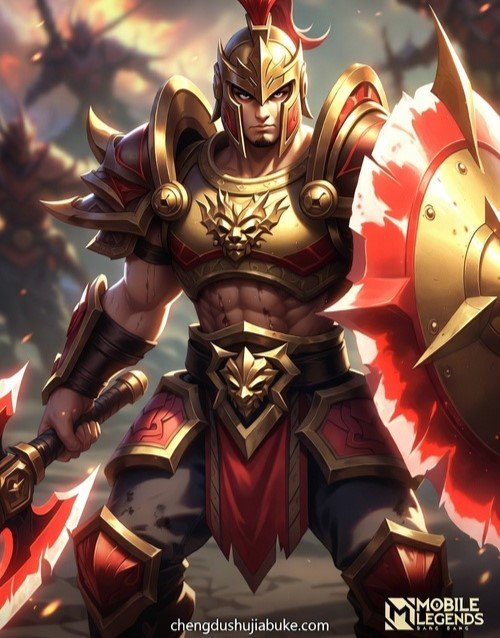
chengdushujiabuke.com – Mobile Legends: Bang Bang is a multiplayer online battle arena game that combines fast-paced combat, strategic decision-making, and teamwork. Although the basic objective is simple—destroy the enemy base before the opposing team destroys yours—each match presents different challenges that require players to adapt. Understanding how to control a hero, manage lanes, collect resources, coordinate with teammates, and choose the right moment to fight can make a significant difference in the outcome of a game. For beginners, the battlefield may initially seem overwhelming because of the number of heroes, items, skills, and objectives available. However, learning the fundamentals gradually makes the experience more understandable and enjoyable. Even experienced players can improve by examining their habits, reviewing mistakes, and developing a stronger understanding of how matches unfold.
This guide explores how to play Mobile Legends, from the early stages of a match to teamfights and late-game decisions. Rather than focusing only on individual mechanics, it also explains the importance of map awareness, hero roles, positioning, and communication. These elements work together to create a more complete understanding of the game. Whether someone is playing their first few matches or trying to become more consistent in ranked games, the ability to make sensible decisions under pressure remains one of the most valuable skills to develop.
Understanding the Fundamentals of Mobile Legends
The first step in learning Mobile Legends is understanding what the game is actually asking players to accomplish. Each team generally consists of five players, and the battlefield is divided into three main lanes: the EXP Lane, the Mid Lane, and the Gold Lane. Between these lanes lies the jungle, where neutral monsters provide experience, gold, and opportunities for strategic movement. The primary objective is to destroy the opposing team’s base, but reaching that goal usually requires several smaller decisions. Players must protect their own turrets, clear minion waves, defeat opponents when the opportunity is favorable, and secure important neutral objectives. A team that focuses only on eliminating enemy heroes may still lose if it ignores the condition of its lanes or allows the opponent to push freely toward the base.
At the beginning of a match, players should become familiar with their selected hero’s abilities, strengths, and limitations. Every hero has a particular role and a different way of contributing to the team. Tanks are generally designed to absorb damage and create opportunities for allies, while Fighters often combine durability with sustained combat power. Assassins specialize in mobility and targeting vulnerable opponents, Mages provide magical damage and crowd control, Marksmen usually become stronger as they acquire equipment, and Supports help protect or enable their teammates. These roles are not completely interchangeable, and choosing a hero without considering the team’s composition can create problems later. A team with too much damage but little protection may struggle during coordinated fights, while a lineup with insufficient damage may have difficulty finishing objectives. Learning the purpose of each role allows players to understand not only what their own hero should do, but also what their teammates need from them.
Choosing a Hero and Understanding the Lane System
Hero selection is an important part of every Mobile Legends match because it determines how a player will spend much of the early game. New players often choose heroes based on appearance, popularity, or the excitement of their abilities. There is nothing wrong with enjoying a particular hero, but understanding the hero’s recommended position can make the learning process easier. A Marksman is commonly associated with the Gold Lane because that position helps the hero gain the resources needed for equipment. A Fighter frequently occupies the EXP Lane, where experience levels are especially important for developing combat strength. The Mid Lane is often used by Mages and other heroes capable of clearing waves and rotating quickly. Junglers spend much of their early time defeating neutral monsters and looking for opportunities to influence lanes. Roamers, meanwhile, move around the map to support teammates, provide vision, and create pressure.
Learning one or two heroes at a time is often more useful than trying to master the entire roster immediately. Players should understand the range of their abilities, cooldowns, mana or energy requirements, and the situations in which their ultimate is most effective. A hero with powerful crowd control may be valuable when protecting a teammate, but less effective when their abilities are used randomly. Similarly, a hero with high mobility may appear difficult to defeat, yet become vulnerable after using their escape skills. Knowing these details helps players make better decisions during actual matches. It is also important to understand the lane’s responsibilities. A player should not abandon a wave without a reason, take resources that another teammate needs, or leave a vulnerable turret unprotected simply to chase an opponent. Mobile Legends rewards players who recognize the relationship between individual actions and the larger state of the battlefield.
Building Better Habits During the Early Game
The early game establishes the foundation for everything that happens later. During this phase, players should focus on collecting gold and experience, maintaining a safe position, and observing enemy movements. Minion waves are particularly important because they provide a consistent source of resources. Missing too many minions can cause a player to fall behind in equipment or levels, making later fights more difficult. However, farming does not mean standing in one place without considering danger. Players must watch the minimap, pay attention to missing enemies, and recognize when an opponent may be preparing an ambush. A wave that appears easy to clear can become dangerous if an enemy jungler is nearby and the player has no escape route.
A useful early-game habit is to evaluate the situation before committing to a fight. If an opponent has more health, a level advantage, or stronger early abilities, engaging them may not be worthwhile. Sometimes the best decision is to clear the wave, retreat briefly, and wait for a better opportunity. Players should also learn to use the battlefield’s terrain, including bushes, walls, and turret protection. These features can influence whether a fight is favorable or risky. A player who understands positioning can often survive situations that would otherwise lead to an unnecessary death. At the same time, early pressure should not be confused with constant aggression. A successful early game is not necessarily the one with the most eliminations. It is the one that creates a stable foundation for future objectives, equipment purchases, and coordinated attacks. By developing these habits, beginners can avoid many common mistakes while gradually becoming more confident in their ability to read the match.
Developing Stronger Map Awareness and Teamfight Skills
Map awareness is one of the most important skills in Mobile Legends because the battlefield changes continuously. Players who focus exclusively on their own lane may miss opportunities or dangers developing elsewhere. The minimap provides information about the locations of allies, enemy heroes, turrets, and important objectives. Checking it regularly helps players decide whether to continue farming, rotate toward another lane, assist a teammate, or retreat from a dangerous position. A player does not need to stare at the minimap constantly, but should develop the habit of looking at it whenever a wave is cleared or an ability is placed on cooldown.
Rotations are especially important for heroes who can move quickly between lanes. A Mage who clears a Mid Lane wave may be able to help the Gold Lane, assist the jungler, or provide pressure near an objective. A Roamer can move between lanes to protect vulnerable teammates and create opportunities for attacks. However, every rotation has a cost. Leaving a lane unattended may allow the enemy to destroy a turret or collect an uncontested wave. The correct decision depends on the current state of the match. If an ally is in danger and a fight is likely to begin, rotating may be valuable. If an objective is not available and the lane is pushing toward a player’s turret, remaining nearby may be more productive.
Resource management also extends to jungle monsters and buffs. Players should understand which resources their hero needs and avoid taking important resources from teammates without a clear reason. A jungler who loses access to necessary farming opportunities may fall behind, while a damage dealer who receives too little gold may struggle in later fights. Good map control is therefore not simply about moving aggressively. It involves making sure the team has access to resources while reducing the enemy’s ability to do the same. When players combine wave management, rotations, and awareness of enemy positions, they begin to see the map as a connected system rather than a collection of separate lanes.
Improving Positioning and Timing in Teamfights
Teamfights are often the most dramatic moments in Mobile Legends, but winning them requires more than pressing abilities quickly. Positioning and timing are equally important. Every hero has a different level of durability, range, and mobility, so players should not stand in the same place during combat. Tanks and Fighters may need to operate closer to the front line, while Marksmen and Mages usually benefit from maintaining a safer distance. Assassins often wait for a suitable moment to enter the fight rather than attacking immediately. Supports may focus on protecting a vulnerable teammate or disrupting an enemy’s attempt to engage. Understanding these responsibilities helps prevent situations where several players rush forward without a clear plan.
Before entering a teamfight, players should consider several factors. Which enemy heroes have already used their ultimate abilities? Is the team fighting near a turret or an objective? Are all five teammates available, or is someone still returning from the base? Does the enemy have a strong initiation tool that can punish poor positioning? These questions can determine whether a fight is favorable. A player who enters too early may be eliminated before contributing meaningful damage, while someone who waits too long may miss the opportunity to protect an ally or secure a key elimination. Timing is particularly important for heroes with powerful crowd control, because their abilities may be more valuable when used against multiple enemies or to interrupt a dangerous attack.
Players should also learn to distinguish between starting a fight and responding to one. Initiating combat requires awareness of the enemy’s position and the team’s ability to follow up. Responding to an enemy attack may involve protecting a teammate, retreating toward a safer area, or using crowd control to stop an advancing opponent. Not every teamfight needs to end with an elimination. Sometimes forcing the enemy to retreat is enough to create space for a turret or objective. A disciplined player understands that surviving and preserving resources can be more valuable than chasing a low-health opponent into an unknown area.
Securing Objectives and Making Decisions in the Late Game
Neutral objectives play a major role in the development of a Mobile Legends match. The Turtle can provide valuable advantages during the early and middle stages, while the Lord becomes particularly important when teams begin looking for ways to break defensive structures. These objectives are not simply monsters that should be attacked whenever they appear. Securing them requires preparation, vision, positioning, and coordination. Before attempting an objective, players should consider whether the enemy team is nearby, whether important abilities are available, and whether the lanes are positioned favorably. Starting an objective while several teammates are far away can create a dangerous situation if the enemy arrives unexpectedly.
Lane management is closely connected to objective control. A team that pushes lanes before gathering near the Turtle or Lord can force the enemy to make difficult choices. Opponents may need to clear a wave, defend a turret, or contest the objective. However, this approach must be coordinated carefully. If players push too far without watching the minimap, they may become vulnerable to a counterattack. Strong objective control involves creating pressure while keeping enough teammates available to respond to danger.
The late game introduces additional challenges because heroes often have more equipment and can deal significant damage. A single mistake may lead to the loss of several turrets or even the base. Players should become more cautious about unnecessary deaths and avoid wandering alone into unfamiliar areas. When the enemy team disappears from the minimap, it may be preparing an ambush, taking an objective, or moving toward a different lane. Teams should communicate important information and avoid starting a fight without knowing where the opponents are. During this phase, the value of teamwork becomes even more obvious. A player who farms efficiently but ignores the team’s position may create an opening for the enemy. In contrast, a player who understands when to push, retreat, defend, or group can contribute meaningfully even without having the highest number of eliminations.
Understanding Items, Builds, and Adaptation
Items are a major part of Mobile Legends because they influence a hero’s damage, defense, mobility, and ability to survive different situations. Many beginners follow a recommended build without understanding why each item is useful. Recommended builds can provide a convenient starting point, but players should gradually learn how equipment interacts with the enemy lineup. If the opposing team has several heroes who rely heavily on physical damage, defensive physical items may become valuable. If the enemy has powerful magical damage or crowd control, other defensive choices may be more appropriate. Damage dealers may also need to adapt their equipment based on whether opponents are building armor, magic resistance, or additional durability.
The best build is not always the one that provides the highest damage on paper. A player who deals enormous damage but dies before using their abilities may contribute less than someone with a balanced build that allows them to remain active during fights. Similarly, a Tank who builds only defensive equipment may still need to consider whether their team has enough damage to finish opponents. Understanding the purpose of each item allows players to make decisions based on the actual match rather than following a fixed pattern.
Adaptation also applies to battle spells and emblems. Players should consider how their chosen setup supports the hero’s role and the likely challenges of the match. A mobile hero may benefit from a setup that improves movement or escape options, while another hero may need additional durability or sustained damage. There is no single configuration that works perfectly in every situation. By experimenting in appropriate modes and reviewing the results, players can discover which choices fit their playstyle. The goal is not to memorize every item immediately, but to develop the ability to recognize what the team needs and adjust accordingly.
Practicing Mechanics, Communication, and Teamwork
Mechanical skill includes the ability to aim abilities, move efficiently, manage cooldowns, and use a hero’s combination of skills correctly. Some heroes require precise timing or fast reactions, while others depend more heavily on positioning and decision-making. Practice modes can help players learn ability ranges, damage patterns, and movement options without the pressure of a ranked match. Repeating a skill combination until it becomes familiar allows players to focus more attention on the minimap and enemy movements during real games.
However, mechanics alone do not guarantee success. Communication and teamwork remain essential because Mobile Legends is designed around cooperation between five players. Even simple messages can improve coordination. Informing teammates that an enemy is missing, warning them about an incoming attack, or indicating that an ultimate ability is ready can help the team respond more effectively. Players should also avoid blaming teammates for every mistake. A negative atmosphere can make communication harder and cause players to make emotional decisions. Calm communication is generally more useful than arguments, especially when the match becomes difficult.
Teamwork also means understanding that every role contributes differently. A Roamer may not have the highest damage, but can create opportunities that allow teammates to succeed. A Jungler may spend much of the early game farming, yet their objective control can influence the entire match. A Marksman may need protection before becoming effective, while a Mage may provide the crowd control needed to stop an enemy advance. Recognizing these differences helps players appreciate the value of actions that do not always appear on the scoreboard. Strong teamwork develops when players focus on shared objectives rather than individual statistics.
Reviewing Mistakes and Building a Consistent Playstyle
Improvement in Mobile Legends is often the result of reviewing mistakes rather than simply playing more matches. After a difficult game, players can ask themselves several useful questions. Did they die because they were outnumbered, or because they entered an unsafe area alone? Did they miss an important objective because they were focused on farming? Did they use a major ability too early, leaving the team without an important tool during a later fight? These questions help turn frustrating experiences into practical lessons.
A consistent playstyle does not mean playing every match in exactly the same way. Instead, it means having a reliable decision-making process that can adapt to different situations. Players should know when to farm, when to rotate, when to defend, and when to group with teammates. They should also recognize when a match is becoming dangerous and adjust their behavior accordingly. A player who usually prefers aggressive combat may need to become more cautious when the enemy has a strong late-game lineup. Likewise, someone who prefers defensive play may need to take a calculated risk when the team has an opportunity to secure an important objective.
Mental discipline is another important part of improvement. Losing several matches in a row can lead to frustration, rushed decisions, or a tendency to blame others. Taking a short break can help players return with a clearer mindset. It is also useful to remember that one match does not define a player’s overall ability. Progress usually comes from gradually improving several small areas, such as map awareness, positioning, resource management, and communication. When players focus on learning rather than only chasing victories, they can develop a stronger understanding of Mobile Legends and enjoy the game more consistently.
Conclusion Mobile Legends: A Complete Guide to Playing Better, Mastering Teamwork, and Climbing the Ranked Ladder
Mobile Legends is a game that combines individual mechanics with strategic teamwork, making it important for players to understand more than just their chosen hero’s abilities. Learning the lane system, collecting resources efficiently, watching the minimap, and adapting item builds creates a strong foundation for improvement. Teamfights require patience, positioning, and timing, while objectives such as the Turtle and Lord demand preparation and coordination. Even simple habits, such as checking enemy locations or avoiding unnecessary deaths, can have a meaningful effect on the outcome of a match.
The process of becoming a better player takes time, practice, and a willingness to learn from mistakes. Beginners should focus on understanding the basics, while more experienced players can work on refining rotations, improving decision-making, and communicating more effectively. Every match provides an opportunity to discover something new about the battlefield. By combining mechanical practice with strategic awareness and teamwork, players can build a more consistent approach to Mobile Legends and enjoy the experience of developing their skills over time.